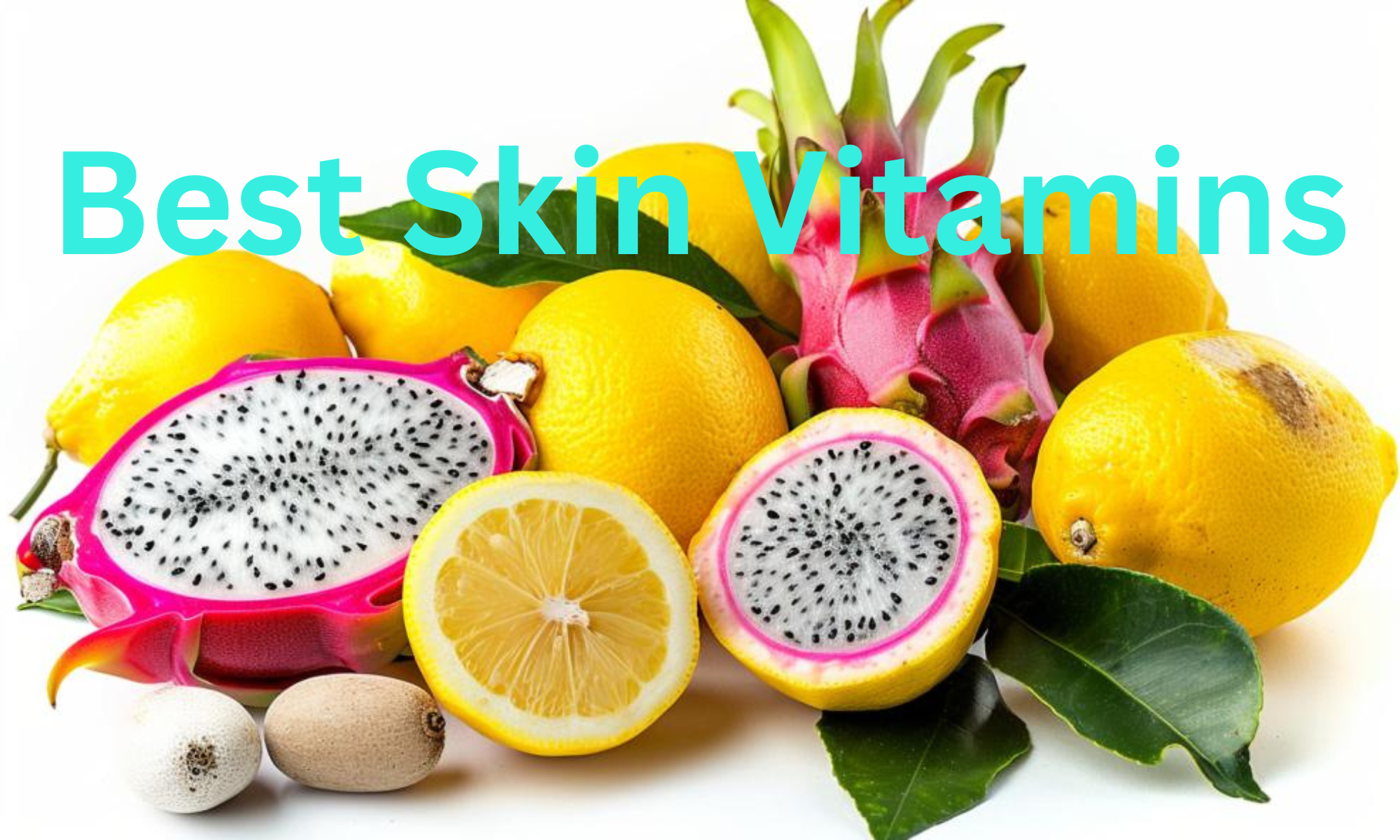
Welcome to our comprehensive guide on the crucial role of nutrition in maintaining healthy skin. In a world where skincare products dominate the market, it’s easy to forget that our diet plays a significant role in achieving a glowing complexion. But did you know that what you eat can have a direct impact on the health and appearance of your skin? Let us explore how a well-balanced diet can promote radiant skin and improve overall skin health.
Key Takeaways
- Skin health is influenced by what we eat
- Proper nutrition can promote healthy and radiant skin
- A well-balanced diet is essential for optimum skin health
- Hydration and avoiding excessive sugar and processed foods are key to maintaining healthy skin
- Omega-3 fatty acids and antioxidants play a significant role in protecting the skin
Importance of Nutrition for Skin Health
Good nutrition is vital for achieving and maintaining healthy skin. Your diet plays a key role in skin health, impacting the overall appearance and condition of your complexion. By promoting skin health with nutrition, you can nourish your skin from within and enhance its natural radiance.
The importance of nutrition for skin health lies in providing the essential nutrients that support the body’s processes involved in maintaining healthy skin. Proper nutrition helps to strengthen the skin’s barrier function, protect against environmental damage, and promote cell turnover and repair.
When you prioritize nutrition for your skin, you’ll notice improvements such as a smoother texture, balanced oil production, reduced inflammation, and a youthful glow. Additionally, a well-nourished complexion is more resilient and better equipped to combat signs of aging.
The Impact of Nutrients on Skin Health
The key to promoting skin health through nutrition lies in understanding the impact of specific nutrients on your skin. Here are some important nutrients and their benefits for your complexion:
| Nutrient | Benefits |
|---|---|
| Vitamin C | Boosts collagen production, enhances skin elasticity, and provides antioxidant protection against free radicals. |
| Vitamin E | Reduces inflammation, protects against UV damage, and promotes healing and repair. |
| Omega-3 fatty acids | Helps moisturize skin, reduces inflammation, and supports a healthy skin barrier. |
| Zinc | Aids in skin repair, regulates oil production, and supports immune function. |
| Antioxidants | Neutralize free radicals, reduce oxidative stress, and protect against premature aging. |
By incorporating a variety of nutrient-rich foods into your diet, you can ensure that your skin receives these essential nutrients for optimal health.
“The food you eat can be either the safest and most powerful form of medicine or the slowest form of poison.” – Ann Wigmore
Creating a Skin-Nourishing Diet
To promote skin health through nutrition, focus on incorporating the following into your diet:
- Fresh fruits and vegetables rich in vitamins, minerals, and antioxidants
- Healthy fats from sources like avocados, nuts, and seeds
- Lean proteins such as fish, poultry, and legumes
- Whole grains for fiber and nutritional value
Remember to stay hydrated by drinking an adequate amount of water throughout the day. Hydration is crucial for maintaining skin elasticity, preventing dryness, and promoting a healthy complexion.
By nourishing your skin from within with a balanced and nutrient-dense diet, you can support its health, radiance, and overall well-being. Prioritize nutrition for skin health and unlock the transformative power of good food for a vibrant and glowing complexion.
Key Nutrients for Healthy Skin
Proper nutrition is essential for maintaining healthy skin. By incorporating the right vitamins, minerals, and antioxidants into your diet, you can nourish your skin from the inside out, promoting a radiant complexion and overall skin health.
Vitamins: Certain vitamins play a crucial role in supporting skin health. Vitamin C, for example, is an antioxidant that helps protect the skin from free radicals and promotes collagen production. Vitamin E acts as a moisturizer and enhances the skin’s natural barrier function. Vitamin A assists in skin cell turnover and helps maintain a smooth and even complexion.
Minerals: Minerals are equally important for healthy skin. Zinc, for instance, aids in wound healing and promotes healthy oil production, preventing acne breakouts. Selenium is an antioxidant that helps protect the skin from damage caused by sun exposure. Iron supports oxygenation to the skin cells, ensuring a healthy glow.
Antioxidants: Antioxidants are essential for skin health as they neutralize free radicals, which can cause oxidative stress and premature aging. Including antioxidant-rich foods in your diet, such as berries, leafy greens, and green tea, can help protect your skin from environmental damage and maintain its youthful appearance.
“Nourishing your skin with the right nutrients is a fundamental aspect of a skincare routine. By providing your skin with the vitamins, minerals, and antioxidants it needs, you can strengthen its defenses, promote a healthy complexion, and slow down the aging process.” – Dr. Jane Smith, Dermatologist
Incorporating a variety of nutrient-rich foods into your meals can ensure you are getting the essential nutrients your skin needs. Aim for a balanced diet that includes fruits, vegetables, whole grains, lean proteins, and healthy fats. Additionally, staying hydrated by drinking plenty of water is crucial for maintaining skin health.
| Nutrient | Food Sources |
|---|---|
| Vitamin C | Citrus fruits, strawberries, bell peppers |
| Vitamin E | Almonds, sunflower seeds, spinach |
| Vitamin A | Sweet potatoes, carrots, kale |
| Zinc | Pumpkin seeds, oysters, beef |
| Selenium | Brazil nuts, seafood, whole grains |
| Iron | Red meat, beans, spinach |
Foods for Skin Health
When it comes to maintaining healthy and radiant skin, incorporating specific foods into your diet can make a significant difference. These foods are rich in essential nutrients that promote skin health and enhance your complexion. By prioritizing healthy eating for skin care, you can achieve a natural, glowing look.
1. Berries: Including berries such as strawberries, blueberries, and raspberries in your diet provides a rich source of antioxidants. Antioxidants help protect the skin from damage caused by free radicals, reducing signs of aging and improving skin health.
Enjoy a mixed berry smoothie or add them to your favorite breakfast cereal.
2. Fatty Fish: Salmon, mackerel, and sardines are packed with omega-3 fatty acids. These healthy fats help maintain the skin’s elasticity, reduce inflammation, and promote a youthful appearance. Include fatty fish in your meals at least twice a week to reap their skin health benefits.
Grill some salmon and serve it with a side of steamed vegetables for a delicious and nutritious meal.
3. Avocado: This creamy fruit is an excellent source of healthy fats and vitamin E, which nourish the skin and protect it from oxidative damage. Adding avocado to your salads, toast, or smoothies can improve skin texture and hydration.
Create a refreshing avocado and cucumber salad drizzled with olive oil for a skin-rejuvenating meal.
4. Nuts: Almonds, walnuts, and Brazil nuts are packed with vitamins, minerals, and healthy fats that promote skin health. These nuts provide essential nutrients like vitamin E, selenium, and zinc, which protect the skin from damage and support its overall vitality.
Snack on a handful of mixed nuts for a quick and nourishing boost to your skin’s health.
5. Green Leafy Vegetables: Spinach, kale, and broccoli are nutrient powerhouses that provide an abundance of vitamins A, C, and E. These vitamins are essential for collagen production, which helps keep the skin firm and youthful. Including green leafy vegetables in your meals can enhance your skin’s natural glow.
Toss some spinach or kale into your salads, stir-fries, or smoothies for a dose of skin-loving nutrients.
Incorporating these foods into your diet can have a positive impact on your skin’s health and appearance. Remember to maintain a well-rounded diet that includes a variety of nutrient-rich foods to ensure you get all the necessary vitamins and minerals for optimal skin health. By prioritizing foods for skin health, you can achieve a radiant complexion that reflects your overall well-being.
The Role of Hydration
Proper hydration is a key factor in promoting skin health and maintaining a youthful complexion. When it comes to nutrition for skin, many people focus on the foods they eat but overlook the importance of staying adequately hydrated. Hydration plays a vital role in supporting the skin barrier function, which helps protect against environmental stressors and retain moisture.
Promoting skin health with nutrition involves not only consuming the right nutrients but also ensuring that your body is properly hydrated. The importance of nutrition for skin cannot be understated, as water is essential for maintaining skin elasticity, preventing dryness, and promoting a healthy glow.
When you are dehydrated, your skin may appear dull, dry, and prone to wrinkles. Promoting skin health with nutrition means incorporating hydrating foods and beverages into your diet, such as water-rich fruits and vegetables, herbal teas, and hydrating skincare products. By prioritizing hydration, you can support your skin’s ability to function optimally and maintain its youthful appearance.
Proper nutrition for skin involves a holistic approach that includes nourishing your body from the inside out. While topically applied skincare products can contribute to skin health, the benefits are magnified when combined with a well-hydrated body. So, whether you’re aiming for a radiant complexion or seeking to address specific skin concerns, remember that hydration plays a crucial role in achieving and maintaining healthy skin.
The Impact of Sugar and Processed Foods on Skin
When it comes to maintaining healthy and beautiful skin, it’s essential to consider the role of diet. While a well-balanced and nutritious eating plan can promote skin health, indulging in excess sugar and processed foods can have negative effects on your complexion.
Research has shown a clear connection between diet and common skin concerns such as acne, inflammation, and premature aging. Consuming high amounts of sugar can lead to an increase in insulin production, which in turn triggers the production of sebum, an oily substance that can clog pores and contribute to acne breakouts.
Excess sugar consumption can lead to an increase in insulin production, resulting in acne breakouts and inflammation.
Additionally, processed foods often contain unhealthy additives, preservatives, and artificial ingredients that can cause inflammation in the body. This inflammatory response can exacerbate skin conditions and lead to a dull and lackluster complexion.
Processed foods often contain additives and preservatives that can cause inflammation and negatively affect skin health.
In contrast, prioritizing a diet rich in whole, unprocessed foods can provide the necessary nutrients to support healthy skin. Vitamins, minerals, antioxidants, and fiber found in fruits, vegetables, lean proteins, and whole grains contribute to optimal skin health and a radiant complexion.
By being mindful of your dietary choices and reducing your consumption of sugar and processed foods, you can nurture your skin from within. Embrace a diet that promotes skin health and nourishes your body for a radiant and youthful appearance.
The Benefits of Omega-3 Fatty Acids for Skin
Omega-3 fatty acids are essential fats that offer numerous benefits for skin health. These polyunsaturated fats cannot be produced by the body, so it’s important to incorporate them into your diet. Omega-3 fatty acids are renowned for their anti-inflammatory properties and their ability to promote healthy skin.
One of the key benefits of omega-3 fatty acids is their ability to nourish the skin from within. These fats help to maintain the skin’s natural oil barrier, which is crucial for moisture retention and preventing dryness. By promoting skin hydration, omega-3 fatty acids contribute to a more supple and youthful complexion.
Omega-3 fatty acids also have a positive impact on skin conditions such as acne and psoriasis. Their anti-inflammatory properties help to reduce redness, swelling, and irritation associated with these conditions. By calming inflammation, omega-3 fatty acids can help improve the appearance and manage the symptoms of inflammatory skin conditions.
In addition to their anti-inflammatory properties, omega-3 fatty acids have been shown to support collagen production. Collagen is a protein responsible for maintaining the skin’s elasticity and firmness. By promoting collagen synthesis, omega-3 fatty acids can contribute to a smoother, plumper, and more youthful-looking complexion.
So, where can you find these skin-loving omega-3 fatty acids? Some excellent food sources include:
| Food Sources | Omega-3 Fatty Acid Content |
|---|---|
| Fatty fish (salmon, mackerel, sardines) | High |
| Flaxseeds and chia seeds | High |
| Walnuts | High |
| Avocado | Moderate |
| Olive oil | Moderate |
By incorporating these omega-3 rich foods into your diet, you can reap the skin-nourishing benefits of these essential fats. Whether it’s enjoying a grilled salmon fillet, sprinkling flaxseeds on your morning oatmeal, or adding walnuts to your salad, there are plenty of delicious ways to incorporate omega-3 fatty acids into your meals.
In conclusion, omega-3 fatty acids offer a range of benefits for skin health. From promoting hydration and reducing inflammation to supporting collagen production, these essential fats play a crucial role in maintaining a vibrant and youthful complexion. By including omega-3 rich foods in your diet, you can nourish your skin from within and achieve optimal skin health.
Antioxidants and their Role in Skin Protection
When it comes to promoting skin health with nutrition, antioxidants play a crucial role. These powerful compounds help protect the skin from damage caused by free radicals, unstable molecules that contribute to premature aging and skin diseases. By neutralizing these harmful free radicals, antioxidants help maintain the overall health and youthfulness of the skin.
Including antioxidant-rich foods in your diet is essential for achieving optimal skin health. Here are some of the best sources of antioxidants to incorporate into your daily meals:
| Foods | Benefits |
|---|---|
| Blueberries | Packed with vitamin C and anthocyanins, blueberries help protect the skin against cellular damage and promote collagen production. |
| Dark chocolate | Rich in flavonoids, dark chocolate enhances blood flow to the skin, reduces inflammation, and improves skin hydration. |
| Spinach | Loaded with vitamins A, C, and E, as well as other antioxidants, spinach helps fight skin damage caused by the sun’s harmful UV rays. |
| Green tea | Containing catechins and polyphenols, green tea protects the skin against aging and inflammation while maintaining its elasticity. |
| Tomatoes | Tomatoes are high in lycopene, a potent antioxidant that helps protect the skin from sun damage and promotes a smoother complexion. |
By incorporating these antioxidant-rich foods into your diet, you can provide your skin with the necessary protection and nourishment it needs to stay healthy and vibrant.
Gut Health and Skin Connection
Understanding the link between gut health and skin health is essential for promoting overall skin health through nutrition. The gut microbiome, consisting of trillions of bacteria and microorganisms, plays a critical role in various bodily functions, including skin health. Research has shown that an imbalance in gut bacteria, known as dysbiosis, can contribute to inflammatory skin conditions such as acne, eczema, and psoriasis.
Promoting skin health with nutrition
A healthy gut microbiome can positively impact your complexion by reducing inflammation, strengthening the skin barrier, and supporting the production of collagen, the protein responsible for maintaining skin elasticity. Incorporating gut-friendly foods into your diet can help improve gut health and, in turn, promote healthier skin.
“A healthy gut microbiome can positively impact your complexion by reducing inflammation,
strengthening the skin barrier, and supporting the production of collagen.”
Strategies for Improving Gut Health through Nutrition
To promote gut health and enhance skin health, incorporate these strategies into your diet:
- Include Probiotic-Rich Foods: Consuming probiotic-rich foods like yogurt, kefir, sauerkraut, and kimchi can introduce beneficial bacteria into your gut and support a healthier microbiome.
- Consume Prebiotic Foods: Prebiotic foods such as bananas, onions, garlic, and asparagus contain indigestible fibers that nourish beneficial gut bacteria, promoting a diverse and thriving microbiome.
- Opt for Fiber-Rich Foods: High-fiber foods like whole grains, fruits, and vegetables help maintain regular bowel movements, preventing gut issues that may impact skin health.
- Stay Hydrated: Drinking an adequate amount of water daily supports proper digestion and ensures optimal gut health.
By incorporating these strategies into your diet, you can improve your gut health and support skin health from within. Remember, nourishing your body with nutrient-dense foods not only benefits your overall well-being but also contributes to a clear, radiant complexion.
| Gut-Friendly Foods | Benefits |
|---|---|
| Yogurt | Rich in beneficial probiotics that can help balance gut bacteria and improve skin health. |
| Kefir | Contains probiotics that support a healthy gut microbiome and may reduce inflammation in the skin. |
| Sauerkraut | A fermented food that provides beneficial probiotics for gut health and can contribute to clearer skin. |
| Kimchi | A Korean staple that offers probiotics and antioxidants, promoting gut health and potentially improving skin conditions. |
| Bananas | High in prebiotic fibers that feed beneficial gut bacteria, supporting a diverse microbiome and potential skin benefits. |
| Onions | Contain prebiotic fibers that enhance gut health and may contribute to a healthier complexion. |
| Garlic | Rich in prebiotic compounds that nourish the gut microbiome, leading to potential improvements in skin health. |
| Asparagus | A prebiotic vegetable that supports a healthy gut environment, potentially benefitting skin health. |
Creating a Skin-Friendly Diet Plan
Nourishing your body with the right nutrients is essential for maintaining healthy and radiant skin. By following a skin-friendly diet plan, you can ensure that your skin receives the necessary nourishment to thrive. Here are some practical tips to help you incorporate the right nutrients into your diet for glowing skin:
1. Include a Variety of Colorful Fruits and Vegetables
Fruits and vegetables are rich in vitamins, minerals, and antioxidants that promote skin health. Aim for a diverse range of colors to ensure a wide variety of nutrients. Include leafy greens, berries, citrus fruits, bell peppers, and carrots in your meals to provide your skin with the essential nutrients it needs. These colorful foods also add vibrancy to your plate and make your meals more visually appealing.
2. Opt for Healthy Fats
Healthy fats, such as those found in avocados, nuts, and seeds, are important for maintaining skin elasticity and hydration. Include sources of omega-3 fatty acids, such as salmon, chia seeds, and walnuts, as they have anti-inflammatory properties and can help reduce skin redness and irritation. Incorporating these healthy fats into your diet will nourish your skin from within.
3. Choose Lean Protein Sources
Protein is crucial for skin repair and rejuvenation. Opt for lean sources of protein, like chicken, turkey, fish, tofu, and legumes. These protein-rich foods provide the building blocks necessary for the production of collagen, a protein that helps maintain skin structure and elasticity. Including protein in your meals will support your skin’s health and help reduce the signs of aging.
4. Stay Hydrated
Proper hydration is essential for maintaining skin health. Drink an adequate amount of water throughout the day to keep your skin hydrated and plump. Hydration helps flush out toxins from the body, improving your skin’s clarity and radiance. To add flavor and extra skin-nourishing benefits, infuse your water with slices of cucumber, lemon, or mint.
5. Minimize Processed Foods and Added Sugars
Processed foods and added sugars can contribute to skin inflammation and breakouts. Limit your intake of processed snacks, sugary beverages, and desserts. Instead, opt for whole, unprocessed foods that provide essential nutrients without the added sugars. By reducing the consumption of processed foods and sugars, you are helping to maintain clear and healthy skin.
“A skin-friendly diet plan includes a variety of colorful fruits and vegetables, healthy fats, lean protein sources, and staying hydrated.”
By following these tips and making sustainable dietary changes, you can create a skin-friendly diet plan that supports your skin’s health and improves its appearance. Remember, consistency is key, so make these healthy eating habits a part of your lifestyle for long-lasting skin benefits.
Conclusion
In conclusion, proper nutrition is essential for achieving and maintaining healthy skin. By incorporating nutrient-rich foods into your diet, you can support your skin’s health and radiance, leading to a glowing complexion. Remember to stay hydrated and avoid excessive consumption of sugar and processed foods, as they can negatively impact your skin’s condition.
Small dietary changes can make a significant difference in your skin’s overall appearance and well-being. Focus on consuming a variety of foods that are rich in vitamins, minerals, and antioxidants, which are beneficial for skin health. Additionally, maintaining a well-balanced diet can help protect your skin from free radical damage and inflammation, promoting a more youthful and vibrant complexion.
Keep in mind that skin health is not solely dependent on external skincare products; it starts from within. Taking care of your skin through proper nutrition can provide long-lasting results and contribute to your overall well-being. Prioritize a diet that supports skin health, and you’ll reap the rewards of a healthy, radiant complexion.
FAQ
What role does nutrition play in skin health?
Nutrition plays a crucial role in maintaining healthy skin. A well-balanced diet provides the necessary nutrients for proper skin function and can promote a radiant complexion.
Why is proper nutrition important for skin health?
Proper nutrition is important for skin health because it nourishes the skin from within. The nutrients we consume can impact the skin’s structure, elasticity, and overall appearance.
What are the key nutrients for healthy skin?
Key nutrients for healthy skin include vitamins (such as A, C, and E), minerals (like zinc and selenium), and antioxidants. These nutrients support collagen production, skin cell renewal, and protect against free radical damage.
Which foods promote skin health?
Foods that promote skin health include fruits and vegetables rich in antioxidants, such as berries, leafy greens, and citrus fruits. Additionally, foods high in omega-3 fatty acids (like fatty fish and chia seeds) and probiotic-rich foods (such as yogurt and sauerkraut) can benefit the skin.
How does hydration affect skin health?
Hydration is essential for maintaining skin health as it helps to maintain the skin’s moisture barrier, promoting a plump and youthful appearance. Drinking an adequate amount of water daily is crucial for keeping the skin hydrated.
What is the impact of sugar and processed foods on the skin?
Excess sugar and processed foods can negatively impact the skin. They can contribute to inflammation, breakouts, and premature aging by causing a spike in blood sugar levels and promoting the production of advanced glycation end products (AGEs).
How do omega-3 fatty acids benefit the skin?
Omega-3 fatty acids have numerous benefits for the skin, including reducing inflammation, improving hydration, and boosting skin elasticity. They can be found in fatty fish, walnuts, and flaxseeds.
What role do antioxidants play in skin protection?
Antioxidants play a crucial role in protecting the skin from damage caused by free radicals. They help neutralize these harmful molecules and can be found in foods like berries, dark chocolate, and green tea.
How does gut health affect the skin?
There is a significant connection between gut health and skin health. A healthy gut microbiome supports proper digestion and nutrient absorption, leading to improved skin complexion and a reduced risk of inflammatory skin conditions.
How can I create a skin-friendly diet plan?
To create a skin-friendly diet plan, focus on incorporating a variety of nutrient-rich foods, including fruits, vegetables, whole grains, lean proteins, and healthy fats. Stay hydrated, limit processed foods and sugars, and consider consulting a registered dietitian for personalized advice.