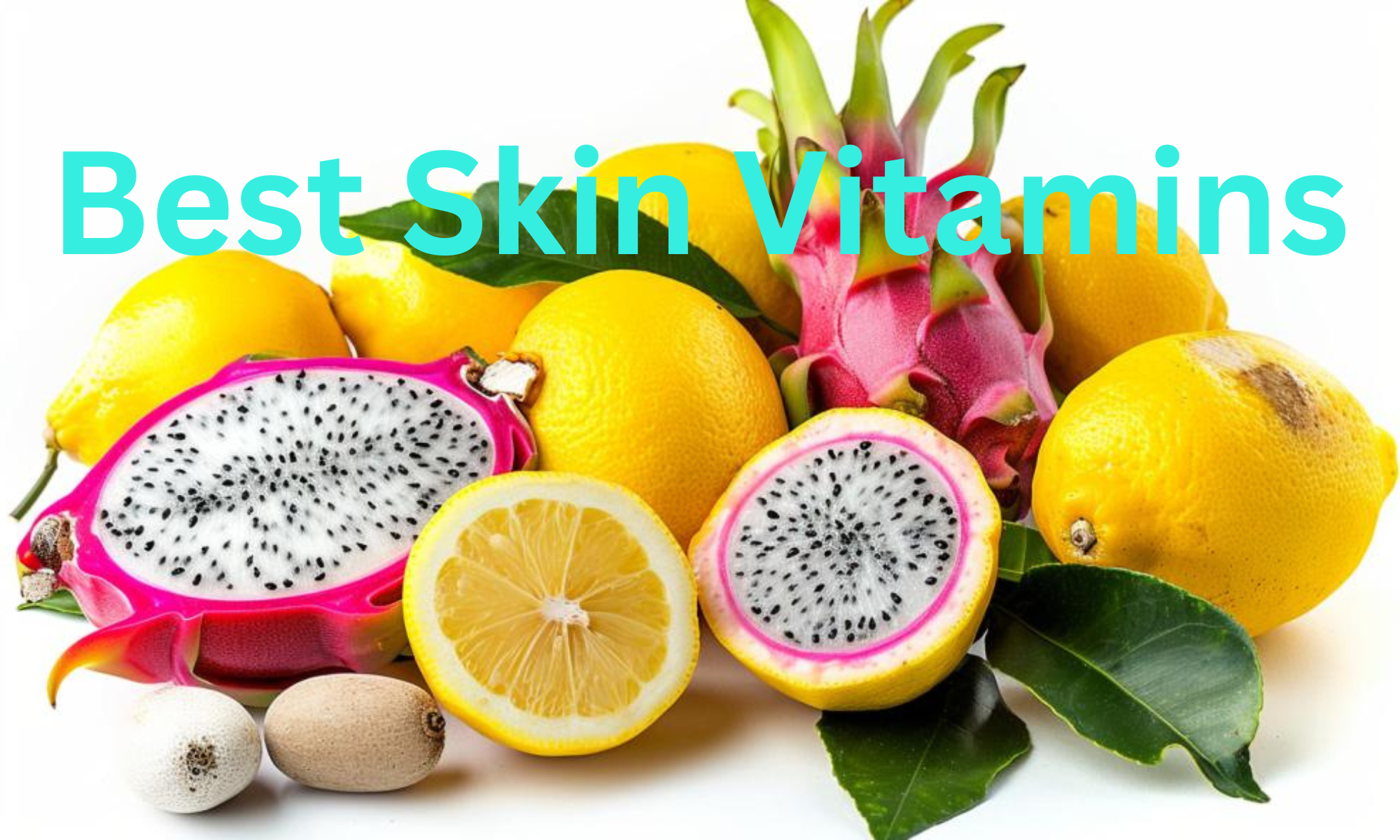
Nutrition’s Role in Skin Health – Essential Guide

Welcome to our comprehensive guide on the crucial role of nutrition in maintaining healthy skin. In a world where skincare products dominate the market, it’s easy to forget that our diet plays a significant role in achieving a glowing complexion. But did you know that what you eat can have a direct impact on the health and appearance of your skin? Let us explore how a well-balanced diet can promote radiant skin and improve overall skin health.

Key Takeaways

  • Skin health is influenced by what we eat
  • Proper nutrition can promote healthy and radiant skin
  • A well-balanced diet is essential for optimum skin health
  • Hydration and avoiding excessive sugar and processed foods are key to maintaining healthy skin
  • Omega-3 fatty acids and antioxidants play a significant role in protecting the skin

Importance of Nutrition for Skin Health

Good nutrition is vital for achieving and maintaining healthy skin. Your diet plays a key role in skin health, impacting the overall appearance and condition of your complexion. By promoting skin health with nutrition, you can nourish your skin from within and enhance its natural radiance.

The importance of nutrition for skin health lies in providing the essential nutrients that support the body’s processes involved in maintaining healthy skin. Proper nutrition helps to strengthen the skin’s barrier function, protect against environmental damage, and promote cell turnover and repair.

When you prioritize nutrition for your skin, you’ll notice improvements such as a smoother texture, balanced oil production, reduced inflammation, and a youthful glow. Additionally, a well-nourished complexion is more resilient and better equipped to combat signs of aging.

The Impact of Nutrients on Skin Health

The key to promoting skin health through nutrition lies in understanding the impact of specific nutrients on your skin. Here are some important nutrients and their benefits for your complexion:

Nutrient Benefits
Vitamin C Boosts collagen production, enhances skin elasticity, and provides antioxidant protection against free radicals.
Vitamin E Reduces inflammation, protects against UV damage, and promotes healing and repair.
Omega-3 fatty acids Helps moisturize skin, reduces inflammation, and supports a healthy skin barrier.
Zinc Aids in skin repair, regulates oil production, and supports immune function.
Antioxidants Neutralize free radicals, reduce oxidative stress, and protect against premature aging.

By incorporating a variety of nutrient-rich foods into your diet, you can ensure that your skin receives these essential nutrients for optimal health.

“The food you eat can be either the safest and most powerful form of medicine or the slowest form of poison.” – Ann Wigmore

Creating a Skin-Nourishing Diet

To promote skin health through nutrition, focus on incorporating the following into your diet:

  • Fresh fruits and vegetables rich in vitamins, minerals, and antioxidants
  • Healthy fats from sources like avocados, nuts, and seeds
  • Lean proteins such as fish, poultry, and legumes
  • Whole grains for fiber and nutritional value

Remember to stay hydrated by drinking an adequate amount of water throughout the day. Hydration is crucial for maintaining skin elasticity, preventing dryness, and promoting a healthy complexion.

By nourishing your skin from within with a balanced and nutrient-dense diet, you can support its health, radiance, and overall well-being. Prioritize nutrition for skin health and unlock the transformative power of good food for a vibrant and glowing complexion.

Key Nutrients for Healthy Skin

Proper nutrition is essential for maintaining healthy skin. By incorporating the right vitamins, minerals, and antioxidants into your diet, you can nourish your skin from the inside out, promoting a radiant complexion and overall skin health.

Vitamins: Certain vitamins play a crucial role in supporting skin health. Vitamin C, for example, is an antioxidant that helps protect the skin from free radicals and promotes collagen production. Vitamin E acts as a moisturizer and enhances the skin’s natural barrier function. Vitamin A assists in skin cell turnover and helps maintain a smooth and even complexion.

Minerals: Minerals are equally important for healthy skin. Zinc, for instance, aids in wound healing and promotes healthy oil production, preventing acne breakouts. Selenium is an antioxidant that helps protect the skin from damage caused by sun exposure. Iron supports oxygenation to the skin cells, ensuring a healthy glow.

Antioxidants: Antioxidants are essential for skin health as they neutralize free radicals, which can cause oxidative stress and premature aging. Including antioxidant-rich foods in your diet, such as berries, leafy greens, and green tea, can help protect your skin from environmental damage and maintain its youthful appearance.

“Nourishing your skin with the right nutrients is a fundamental aspect of a skincare routine. By providing your skin with the vitamins, minerals, and antioxidants it needs, you can strengthen its defenses, promote a healthy complexion, and slow down the aging process.” – Dr. Jane Smith, Dermatologist

Incorporating a variety of nutrient-rich foods into your meals can ensure you are getting the essential nutrients your skin needs. Aim for a balanced diet that includes fruits, vegetables, whole grains, lean proteins, and healthy fats. Additionally, staying hydrated by drinking plenty of water is crucial for maintaining skin health.

Nutrient Food Sources
Vitamin C Citrus fruits, strawberries, bell peppers
Vitamin E Almonds, sunflower seeds, spinach
Vitamin A Sweet potatoes, carrots, kale
Zinc Pumpkin seeds, oysters, beef
Selenium Brazil nuts, seafood, whole grains
Iron Red meat, beans, spinach

Foods for Skin Health

When it comes to maintaining healthy and radiant skin, incorporating specific foods into your diet can make a significant difference. These foods are rich in essential nutrients that promote skin health and enhance your complexion. By prioritizing healthy eating for skin care, you can achieve a natural, glowing look.

1. Berries: Including berries such as strawberries, blueberries, and raspberries in your diet provides a rich source of antioxidants. Antioxidants help protect the skin from damage caused by free radicals, reducing signs of aging and improving skin health.

Enjoy a mixed berry smoothie or add them to your favorite breakfast cereal.

2. Fatty Fish: Salmon, mackerel, and sardines are packed with omega-3 fatty acids. These healthy fats help maintain the skin’s elasticity, reduce inflammation, and promote a youthful appearance. Include fatty fish in your meals at least twice a week to reap their skin health benefits.

Grill some salmon and serve it with a side of steamed vegetables for a delicious and nutritious meal.

3. Avocado: This creamy fruit is an excellent source of healthy fats and vitamin E, which nourish the skin and protect it from oxidative damage. Adding avocado to your salads, toast, or smoothies can improve skin texture and hydration.

Create a refreshing avocado and cucumber salad drizzled with olive oil for a skin-rejuvenating meal.

4. Nuts: Almonds, walnuts, and Brazil nuts are packed with vitamins, minerals, and healthy fats that promote skin health. These nuts provide essential nutrients like vitamin E, selenium, and zinc, which protect the skin from damage and support its overall vitality.

Snack on a handful of mixed nuts for a quick and nourishing boost to your skin’s health.

5. Green Leafy Vegetables: Spinach, kale, and broccoli are nutrient powerhouses that provide an abundance of vitamins A, C, and E. These vitamins are essential for collagen production, which helps keep the skin firm and youthful. Including green leafy vegetables in your meals can enhance your skin’s natural glow.

Toss some spinach or kale into your salads, stir-fries, or smoothies for a dose of skin-loving nutrients.

Incorporating these foods into your diet can have a positive impact on your skin’s health and appearance. Remember to maintain a well-rounded diet that includes a variety of nutrient-rich foods to ensure you get all the necessary vitamins and minerals for optimal skin health. By prioritizing foods for skin health, you can achieve a radiant complexion that reflects your overall well-being.

The Role of Hydration

Proper hydration is a key factor in promoting skin health and maintaining a youthful complexion. When it comes to nutrition for skin, many people focus on the foods they eat but overlook the importance of staying adequately hydrated. Hydration plays a vital role in supporting the skin barrier function, which helps protect against environmental stressors and retain moisture.

Promoting skin health with nutrition involves not only consuming the right nutrients but also ensuring that your body is properly hydrated. The importance of nutrition for skin cannot be understated, as water is essential for maintaining skin elasticity, preventing dryness, and promoting a healthy glow.

When you are dehydrated, your skin may appear dull, dry, and prone to wrinkles. Promoting skin health with nutrition means incorporating hydrating foods and beverages into your diet, such as water-rich fruits and vegetables, herbal teas, and hydrating skincare products. By prioritizing hydration, you can support your skin’s ability to function optimally and maintain its youthful appearance.

Proper nutrition for skin involves a holistic approach that includes nourishing your body from the inside out. While topically applied skincare products can contribute to skin health, the benefits are magnified when combined with a well-hydrated body. So, whether you’re aiming for a radiant complexion or seeking to address specific skin concerns, remember that hydration plays a crucial role in achieving and maintaining healthy skin.

The Impact of Sugar and Processed Foods on Skin

When it comes to maintaining healthy and beautiful skin, it’s essential to consider the role of diet. While a well-balanced and nutritious eating plan can promote skin health, indulging in excess sugar and processed foods can have negative effects on your complexion.

Research has shown a clear connection between diet and common skin concerns such as acne, inflammation, and premature aging. Consuming high amounts of sugar can lead to an increase in insulin production, which in turn triggers the production of sebum, an oily substance that can clog pores and contribute to acne breakouts.

Excess sugar consumption can lead to an increase in insulin production, resulting in acne breakouts and inflammation.

Additionally, processed foods often contain unhealthy additives, preservatives, and artificial ingredients that can cause inflammation in the body. This inflammatory response can exacerbate skin conditions and lead to a dull and lackluster complexion.

Processed foods often contain additives and preservatives that can cause inflammation and negatively affect skin health.

In contrast, prioritizing a diet rich in whole, unprocessed foods can provide the necessary nutrients to support healthy skin. Vitamins, minerals, antioxidants, and fiber found in fruits, vegetables, lean proteins, and whole grains contribute to optimal skin health and a radiant complexion.

By being mindful of your dietary choices and reducing your consumption of sugar and processed foods, you can nurture your skin from within. Embrace a diet that promotes skin health and nourishes your body for a radiant and youthful appearance.

The Benefits of Omega-3 Fatty Acids for Skin

Omega-3 fatty acids are essential fats that offer numerous benefits for skin health. These polyunsaturated fats cannot be produced by the body, so it’s important to incorporate them into your diet. Omega-3 fatty acids are renowned for their anti-inflammatory properties and their ability to promote healthy skin.

One of the key benefits of omega-3 fatty acids is their ability to nourish the skin from within. These fats help to maintain the skin’s natural oil barrier, which is crucial for moisture retention and preventing dryness. By promoting skin hydration, omega-3 fatty acids contribute to a more supple and youthful complexion.

Omega-3 fatty acids also have a positive impact on skin conditions such as acne and psoriasis. Their anti-inflammatory properties help to reduce redness, swelling, and irritation associated with these conditions. By calming inflammation, omega-3 fatty acids can help improve the appearance and manage the symptoms of inflammatory skin conditions.

In addition to their anti-inflammatory properties, omega-3 fatty acids have been shown to support collagen production. Collagen is a protein responsible for maintaining the skin’s elasticity and firmness. By promoting collagen synthesis, omega-3 fatty acids can contribute to a smoother, plumper, and more youthful-looking complexion.

So, where can you find these skin-loving omega-3 fatty acids? Some excellent food sources include:

Food Sources Omega-3 Fatty Acid Content
Fatty fish (salmon, mackerel, sardines) High
Flaxseeds and chia seeds High
Walnuts High
Avocado Moderate
Olive oil Moderate

By incorporating these omega-3 rich foods into your diet, you can reap the skin-nourishing benefits of these essential fats. Whether it’s enjoying a grilled salmon fillet, sprinkling flaxseeds on your morning oatmeal, or adding walnuts to your salad, there are plenty of delicious ways to incorporate omega-3 fatty acids into your meals.

In conclusion, omega-3 fatty acids offer a range of benefits for skin health. From promoting hydration and reducing inflammation to supporting collagen production, these essential fats play a crucial role in maintaining a vibrant and youthful complexion. By including omega-3 rich foods in your diet, you can nourish your skin from within and achieve optimal skin health.

Antioxidants and their Role in Skin Protection

When it comes to promoting skin health with nutrition, antioxidants play a crucial role. These powerful compounds help protect the skin from damage caused by free radicals, unstable molecules that contribute to premature aging and skin diseases. By neutralizing these harmful free radicals, antioxidants help maintain the overall health and youthfulness of the skin.

Including antioxidant-rich foods in your diet is essential for achieving optimal skin health. Here are some of the best sources of antioxidants to incorporate into your daily meals:

Foods Benefits
Blueberries Packed with vitamin C and anthocyanins, blueberries help protect the skin against cellular damage and promote collagen production.
Dark chocolate Rich in flavonoids, dark chocolate enhances blood flow to the skin, reduces inflammation, and improves skin hydration.
Spinach Loaded with vitamins A, C, and E, as well as other antioxidants, spinach helps fight skin damage caused by the sun’s harmful UV rays.
Green tea Containing catechins and polyphenols, green tea protects the skin against aging and inflammation while maintaining its elasticity.
Tomatoes Tomatoes are high in lycopene, a potent antioxidant that helps protect the skin from sun damage and promotes a smoother complexion.

By incorporating these antioxidant-rich foods into your diet, you can provide your skin with the necessary protection and nourishment it needs to stay healthy and vibrant.

Gut Health and Skin Connection

Understanding the link between gut health and skin health is essential for promoting overall skin health through nutrition. The gut microbiome, consisting of trillions of bacteria and microorganisms, plays a critical role in various bodily functions, including skin health. Research has shown that an imbalance in gut bacteria, known as dysbiosis, can contribute to inflammatory skin conditions such as acne, eczema, and psoriasis.

Promoting skin health with nutrition

A healthy gut microbiome can positively impact your complexion by reducing inflammation, strengthening the skin barrier, and supporting the production of collagen, the protein responsible for maintaining skin elasticity. Incorporating gut-friendly foods into your diet can help improve gut health and, in turn, promote healthier skin.

“A healthy gut microbiome can positively impact your complexion by reducing inflammation,
strengthening the skin barrier, and supporting the production of collagen.”

Strategies for Improving Gut Health through Nutrition

To promote gut health and enhance skin health, incorporate these strategies into your diet:

  1. Include Probiotic-Rich Foods: Consuming probiotic-rich foods like yogurt, kefir, sauerkraut, and kimchi can introduce beneficial bacteria into your gut and support a healthier microbiome.
  2. Consume Prebiotic Foods: Prebiotic foods such as bananas, onions, garlic, and asparagus contain indigestible fibers that nourish beneficial gut bacteria, promoting a diverse and thriving microbiome.
  3. Opt for Fiber-Rich Foods: High-fiber foods like whole grains, fruits, and vegetables help maintain regular bowel movements, preventing gut issues that may impact skin health.
  4. Stay Hydrated: Drinking an adequate amount of water daily supports proper digestion and ensures optimal gut health.

By incorporating these strategies into your diet, you can improve your gut health and support skin health from within. Remember, nourishing your body with nutrient-dense foods not only benefits your overall well-being but also contributes to a clear, radiant complexion.

Gut-Friendly Foods Benefits
Yogurt Rich in beneficial probiotics that can help balance gut bacteria and improve skin health.
Kefir Contains probiotics that support a healthy gut microbiome and may reduce inflammation in the skin.
Sauerkraut A fermented food that provides beneficial probiotics for gut health and can contribute to clearer skin.
Kimchi A Korean staple that offers probiotics and antioxidants, promoting gut health and potentially improving skin conditions.
Bananas High in prebiotic fibers that feed beneficial gut bacteria, supporting a diverse microbiome and potential skin benefits.
Onions Contain prebiotic fibers that enhance gut health and may contribute to a healthier complexion.
Garlic Rich in prebiotic compounds that nourish the gut microbiome, leading to potential improvements in skin health.
Asparagus A prebiotic vegetable that supports a healthy gut environment, potentially benefitting skin health.

Creating a Skin-Friendly Diet Plan

Nourishing your body with the right nutrients is essential for maintaining healthy and radiant skin. By following a skin-friendly diet plan, you can ensure that your skin receives the necessary nourishment to thrive. Here are some practical tips to help you incorporate the right nutrients into your diet for glowing skin:

1. Include a Variety of Colorful Fruits and Vegetables

Fruits and vegetables are rich in vitamins, minerals, and antioxidants that promote skin health. Aim for a diverse range of colors to ensure a wide variety of nutrients. Include leafy greens, berries, citrus fruits, bell peppers, and carrots in your meals to provide your skin with the essential nutrients it needs. These colorful foods also add vibrancy to your plate and make your meals more visually appealing.

2. Opt for Healthy Fats

Healthy fats, such as those found in avocados, nuts, and seeds, are important for maintaining skin elasticity and hydration. Include sources of omega-3 fatty acids, such as salmon, chia seeds, and walnuts, as they have anti-inflammatory properties and can help reduce skin redness and irritation. Incorporating these healthy fats into your diet will nourish your skin from within.

3. Choose Lean Protein Sources

Protein is crucial for skin repair and rejuvenation. Opt for lean sources of protein, like chicken, turkey, fish, tofu, and legumes. These protein-rich foods provide the building blocks necessary for the production of collagen, a protein that helps maintain skin structure and elasticity. Including protein in your meals will support your skin’s health and help reduce the signs of aging.

4. Stay Hydrated

Proper hydration is essential for maintaining skin health. Drink an adequate amount of water throughout the day to keep your skin hydrated and plump. Hydration helps flush out toxins from the body, improving your skin’s clarity and radiance. To add flavor and extra skin-nourishing benefits, infuse your water with slices of cucumber, lemon, or mint.

5. Minimize Processed Foods and Added Sugars

Processed foods and added sugars can contribute to skin inflammation and breakouts. Limit your intake of processed snacks, sugary beverages, and desserts. Instead, opt for whole, unprocessed foods that provide essential nutrients without the added sugars. By reducing the consumption of processed foods and sugars, you are helping to maintain clear and healthy skin.

“A skin-friendly diet plan includes a variety of colorful fruits and vegetables, healthy fats, lean protein sources, and staying hydrated.”

By following these tips and making sustainable dietary changes, you can create a skin-friendly diet plan that supports your skin’s health and improves its appearance. Remember, consistency is key, so make these healthy eating habits a part of your lifestyle for long-lasting skin benefits.

Conclusion

In conclusion, proper nutrition is essential for achieving and maintaining healthy skin. By incorporating nutrient-rich foods into your diet, you can support your skin’s health and radiance, leading to a glowing complexion. Remember to stay hydrated and avoid excessive consumption of sugar and processed foods, as they can negatively impact your skin’s condition.

Small dietary changes can make a significant difference in your skin’s overall appearance and well-being. Focus on consuming a variety of foods that are rich in vitamins, minerals, and antioxidants, which are beneficial for skin health. Additionally, maintaining a well-balanced diet can help protect your skin from free radical damage and inflammation, promoting a more youthful and vibrant complexion.

Keep in mind that skin health is not solely dependent on external skincare products; it starts from within. Taking care of your skin through proper nutrition can provide long-lasting results and contribute to your overall well-being. Prioritize a diet that supports skin health, and you’ll reap the rewards of a healthy, radiant complexion.

FAQ

What role does nutrition play in skin health?

Nutrition plays a crucial role in maintaining healthy skin. A well-balanced diet provides the necessary nutrients for proper skin function and can promote a radiant complexion.

Why is proper nutrition important for skin health?

Proper nutrition is important for skin health because it nourishes the skin from within. The nutrients we consume can impact the skin’s structure, elasticity, and overall appearance.

What are the key nutrients for healthy skin?

Key nutrients for healthy skin include vitamins (such as A, C, and E), minerals (like zinc and selenium), and antioxidants. These nutrients support collagen production, skin cell renewal, and protect against free radical damage.

Which foods promote skin health?

Foods that promote skin health include fruits and vegetables rich in antioxidants, such as berries, leafy greens, and citrus fruits. Additionally, foods high in omega-3 fatty acids (like fatty fish and chia seeds) and probiotic-rich foods (such as yogurt and sauerkraut) can benefit the skin.

How does hydration affect skin health?

Hydration is essential for maintaining skin health as it helps to maintain the skin’s moisture barrier, promoting a plump and youthful appearance. Drinking an adequate amount of water daily is crucial for keeping the skin hydrated.

What is the impact of sugar and processed foods on the skin?

Excess sugar and processed foods can negatively impact the skin. They can contribute to inflammation, breakouts, and premature aging by causing a spike in blood sugar levels and promoting the production of advanced glycation end products (AGEs).

How do omega-3 fatty acids benefit the skin?

Omega-3 fatty acids have numerous benefits for the skin, including reducing inflammation, improving hydration, and boosting skin elasticity. They can be found in fatty fish, walnuts, and flaxseeds.

What role do antioxidants play in skin protection?

Antioxidants play a crucial role in protecting the skin from damage caused by free radicals. They help neutralize these harmful molecules and can be found in foods like berries, dark chocolate, and green tea.

How does gut health affect the skin?

There is a significant connection between gut health and skin health. A healthy gut microbiome supports proper digestion and nutrient absorption, leading to improved skin complexion and a reduced risk of inflammatory skin conditions.

How can I create a skin-friendly diet plan?

To create a skin-friendly diet plan, focus on incorporating a variety of nutrient-rich foods, including fruits, vegetables, whole grains, lean proteins, and healthy fats. Stay hydrated, limit processed foods and sugars, and consider consulting a registered dietitian for personalized advice.

Radiant Skin Secrets: Improving Skin with Vitamins

Welcome to our guide on achieving radiant skin! If you’ve been wondering how to improve your skin health and enhance your natural beauty, look no further than the power of vitamins. In this article, we will explore the secrets of improving your skin with the help of essential vitamins. Discover how these nutrients can nourish and protect your skin, giving you a healthy and glowing complexion.

Key Takeaways:

  • Improving skin with vitamins is a natural and effective way to enhance your skin health.
  • Vitamins provide nourishment, protection, and a healthy glow to your skin.
  • Discover the best vitamins for skin health and how to incorporate them into your skincare routine.
  • Explore natural ways to enhance your skin with vitamins, including vitamin-rich foods and vitamin-infused skincare products.
  • A well-balanced diet rich in essential vitamins is crucial for beautiful and healthy skin.

The Role of Vitamins in Skin Health

When it comes to maintaining the overall health of your skin, vitamins play an essential role. These powerful nutrients are not only vital for your overall well-being, but they also offer numerous benefits for your skin. From nourishment and protection to a healthy glow, vitamin supplements can significantly improve the health and appearance of your skin.

Vitamin supplements are packed with skin care vitamins that work from within, providing your skin with the necessary nutrients to thrive. These vitamins help strengthen the skin’s natural barrier, enhance collagen production, and fight against free radicals that can cause premature aging and damage.

One of the key benefits of vitamin supplements for skin is their ability to nourish the skin from the inside out. They provide essential nutrients that support skin health, such as vitamins A, C, E, and B complex. These vitamins help in rejuvenating the skin, promoting a healthy complexion, and reducing the appearance of fine lines and wrinkles.

In addition to nourishment, vitamin supplements also offer protective properties for your skin. They act as antioxidants, neutralizing the harmful effects of environmental factors like pollution and UV radiation. By shielding your skin from these aggressors, vitamin supplements help prevent damage and preserve its youthful appearance.

Furthermore, incorporating skin care vitamins into your routine can improve skin tone and texture, reducing concerns such as acne, blemishes, and hyperpigmentation. Vitamins like vitamin C can brighten the skin, while vitamin E can soothe and moisturize, giving your skin a healthy and radiant glow.

It’s important to note that while vitamin supplements can greatly benefit your skin, they should not replace a balanced diet or a good skincare routine. They work best when combined with a healthy lifestyle and the use of vitamin-infused skincare products.

“Vitamins are like the secret weapons your skin needs for optimal health and beauty. By incorporating the right supplements into your routine, you can achieve a glowing complexion and protect your skin from external stressors.” – Dr. Jessica Thompson, Dermatologist

To better understand the benefits of vitamin supplements for skin, let’s take a closer look at some of the key vitamins and how they contribute to improving skin health.

Vitamin Benefits for Skin
Vitamin A Promotes skin rejuvenation, reduces fine lines and wrinkles
Vitamin C Brightens the skin, boosts collagen production
Vitamin E Moisturizes and protects the skin from environmental damage
B Complex Vitamins Improves overall skin health, enhances skin radiance

Vitamin A: The Skin Saver

When it comes to achieving healthy and glowing skin, the power of Vitamin A can work wonders. This essential nutrient is known for its skin-saving properties, nourishing and revitalizing your complexion from the inside out. By incorporating vitamin-rich foods into your diet, you can naturally enhance your skin’s health and achieve that coveted glow.

Vitamin A plays a crucial role in promoting skin cell turnover, which helps to keep your skin looking fresh and youthful. It is also a potent antioxidant that can protect your skin from damage caused by harmful free radicals. By adding vitamin-rich foods to your diet, you can replenish your body’s vitamin A levels and support the overall health of your skin.

So, which foods are rich in this skin-saving vitamin? Look no further than colorful fruits and vegetables. Carrots, sweet potatoes, and spinach are excellent sources of beta-carotene, a precursor to vitamin A. Incorporating these foods into your meals can provide your body with the essential nutrients needed for healthy skin.

Benefits of Vitamin A for Glowing Skin

  • Glowing complexion: Vitamin A helps to regulate oil production, keeping your skin balanced and preventing congestion that can lead to dullness.
  • Reduced signs of aging: This powerful nutrient can minimize the appearance of fine lines and wrinkles, promoting a more youthful-looking complexion.
  • Improved skin texture: Vitamin A can help to smooth the skin’s surface and reduce the appearance of roughness or unevenness.
  • Enhanced collagen production: By stimulating collagen synthesis, vitamin A can improve skin elasticity and firmness.

With its incredible skin-saving benefits, it’s clear why Vitamin A is a must-have for anyone seeking healthy and glowing skin. By incorporating vitamin-rich foods into your diet, you can harness the power of this nutrient and enjoy the transformative effects it can have on your complexion.

Vitamin C: The Skin Brightener

When it comes to achieving a brighter and more radiant complexion, Vitamin C is a true superstar. This powerful antioxidant not only offers numerous health benefits when consumed orally but also works wonders when applied topically to the skin.

Vitamin C is renowned for its skin brightening effects, helping to fade dark spots and even out the skin tone. Its ability to inhibit melanin production makes it an excellent natural solution for hyperpigmentation and discoloration.

One of the most effective and convenient ways to incorporate Vitamin C into your skincare routine is through vitamin-infused skincare products. These products are specifically formulated to deliver a concentrated dose of this skin-loving antioxidant directly to the skin, maximizing its brightening potential.

When choosing vitamin-infused skincare products, look for options that contain stable forms of Vitamin C, such as ascorbic acid or sodium ascorbyl phosphate. These forms are more likely to remain potent and effective, ensuring optimal results for your skin.

In addition to its brightening properties, Vitamin C also offers a range of other benefits for your skin. It promotes collagen production, reducing the appearance of fine lines and wrinkles, and protects against free radical damage caused by environmental stressors.

For those looking for natural ways to enhance skin with vitamins, incorporating Vitamin C into your skincare routine is a must. Its brightening effects and ability to promote a healthy complexion make it a staple ingredient in many skincare products.

Vitamin E: The Skin Protector

When it comes to keeping your skin healthy, Vitamin E is an unsung hero. This powerful antioxidant acts as a natural shield, protecting your skin from environmental stressors and free radicals that can cause premature aging and damage.

But the benefits of Vitamin E for the skin don’t stop there. Incorporating vitamin supplements into your daily routine can also improve your skin complexion, resulting in a healthier and more radiant appearance.

Vitamin E acts as a shield for your skin, protecting it from environmental stressors.

By supporting the natural functions of your skin, Vitamin E helps to maintain its moisture balance, preventing dryness and promoting a smooth and supple texture. Additionally, it enhances the skin’s natural healing process, making it effective in treating scars and promoting skin repair.

Furthermore, studies have shown that Vitamin E can reduce inflammation and redness, making it beneficial for those with sensitive or irritated skin conditions, such as eczema or rosacea.

To make the most of Vitamin E’s skin-protecting benefits, incorporate it into your skincare routine through vitamin-infused products or by including vitamin-rich foods in your diet

Incorporating vitamin supplements can help improve your skin complexion and keep it healthy.

Here are some examples of vitamin-rich foods that are excellent sources of Vitamin E:

  • Almonds
  • Spinach
  • Avocado
  • Sunflower seeds
  • Kale

By nourishing your skin from the inside out with Vitamin E, you can enjoy the numerous benefits it offers for skin health and have a complexion that truly glows.

Vitamin E Benefits for Skin How to Incorporate Vitamin E into Your Skincare Routine
1. Acts as a natural shield from environmental stressors 1. Look for vitamin-infused skincare products
2. Improves skin complexion and radiance 2. Incorporate vitamin-rich foods into your diet
3. Maintains moisture balance and promotes smooth texture 3. Use vitamin E oil or creams directly on the skin
4. Supports the skin’s healing process and reduces scarring 4. Consult with a dermatologist for personalized vitamin E skincare recommendations

B Vitamins: The Skin Rejuvenators

When it comes to achieving healthy and radiant skin, B vitamins play a vital role in rejuvenation and revitalization. This group of vitamins, collectively known as the B complex, consists of several essential nutrients that can promote skin health and vitality.

One of the key benefits of B vitamins for skin care is their ability to support the natural renewal process of the skin. These vitamins help in the production of collagen, a protein that gives the skin its elasticity and firmness. Collagen is essential for maintaining a youthful appearance and reducing the signs of aging.

“B vitamins are like a breath of fresh air for your skin. They provide the necessary nutrients to nourish, repair, and revitalize your skin cells,” says Dr. Elizabeth Adams, renowned dermatologist.

Not only do B vitamins assist in collagen production, but they also help in maintaining a healthy complexion by supporting cell turnover. Our skin constantly sheds dead cells and replaces them with new ones, and this process can be optimized with the aid of B vitamins.

The B vitamins are a diverse group, each with its unique role in skin health:

  • Vitamin B3 (Niacinamide): Known for its anti-inflammatory properties, vitamin B3 helps reduce redness and irritation, leaving your skin calm and soothed.
  • Vitamin B5 (Pantothenic Acid): This vitamin acts as a natural moisturizer, helping to keep the skin hydrated and preventing dryness.
  • Vitamin B6 (Pyridoxine): By regulating sebum production, vitamin B6 can help balance oily skin and minimize the occurrence of breakouts.
  • Vitamin B9 (Folate): Folate is involved in DNA synthesis and repair, promoting healthy cell development and supporting overall skin health.
  • Vitamin B12 (Cobalamin): Often referred to as the “energy vitamin,” B12 aids in the production of new skin cells, resulting in a refreshed and rejuvenated complexion.

By incorporating the best vitamins from the B complex into your skincare routine and diet, you can unlock the full potential of these skin rejuvenators. Whether through topical applications or consumption of B vitamin-rich foods, such as leafy greens, whole grains, and lean meats, you can give your skin the nourishment it needs for a healthy and vibrant appearance.

Next, let’s explore the benefits of another skin-loving vitamin – Vitamin D, and how it can enhance your overall skin health through natural means.

Vitamin D: The Sunshine Vitamin for Your Skin

Uncover the benefits of Vitamin D for your skin and how exposure to sunlight can help improve skin health naturally. Vitamin D, often referred to as the “sunshine vitamin,” plays a crucial role in maintaining healthy skin.

One of the key vitamin skin benefits of Vitamin D is its ability to promote the production of collagen, a protein that provides structure and elasticity to the skin. Collagen helps reduce the appearance of wrinkles and fine lines, leading to a more youthful complexion.

Exposure to sunlight is one of the most natural ways to enhance skin with vitamins. When your skin is exposed to sunlight, it undergoes a process called photolysis, where UVB rays convert a cholesterol derivative in the skin to Vitamin D.

This vital nutrient not only helps in the absorption of calcium and phosphorus, contributing to bone health but also plays an essential role in regulating skin cell growth and development. It helps maintain the integrity of the skin barrier, preventing moisture loss and keeping the skin hydrated.

However, it is important to note that while sunlight is a great source of Vitamin D, excessive exposure without adequate protection can lead to harmful effects such as sunburns and increased risk of skin cancer.

“Sun protection is crucial when it comes to maintaining healthy skin. Remember to wear sunscreen with a high SPF, protective clothing, and a wide-brimmed hat to shield your skin from harmful UV rays.”

In addition to sunlight, there are other ways to incorporate Vitamin D into your skincare routine. Look for vitamin-infused skincare products that contain Vitamin D or consider taking Vitamin D supplements after consulting with a healthcare professional.

An optimal level of Vitamin D can also be obtained through a well-balanced diet. Some natural sources of Vitamin D include fatty fish like salmon and mackerel, egg yolks, and fortified dairy products.

Benefits of Vitamin D for Your Skin

Vitamin D offers several skin benefits, including:

  • Promotes collagen production, reducing the appearance of wrinkles and fine lines
  • Supports the skin’s natural barrier function, preventing moisture loss
  • Regulates skin cell growth and development
  • Enhances skin elasticity and firmness
  • Helps reduce the risk of inflammatory skin conditions

Now that you understand the vitamin skin benefits of Vitamin D, it’s important to find the right balance of sunlight exposure, sun protection, and dietary sources to maintain optimal skin health.

Zinc: The Essential Mineral for Healthy Skin

Zinc is an essential mineral that plays a crucial role in maintaining healthy skin. With its powerful benefits, zinc can promote a youthful complexion and enhance your overall skin health.

One of the key advantages of zinc for the skin is its ability to regulate inflammation. By reducing inflammation, zinc promotes a clearer, calmer complexion and can help address conditions such as acne and eczema. It also aids in wound healing, making it an excellent choice for those looking to improve the appearance of scars or blemishes.

In addition to its anti-inflammatory properties, zinc acts as a powerful antioxidant, protecting the skin from damage caused by free radicals. This helps to prevent premature aging and keeps your skin looking youthful and radiant.

When it comes to incorporating zinc into your diet, there are several vitamin-rich foods that are high in this essential mineral. Some examples include:

  • Shellfish, such as oysters and crab
  • Red meat, such as beef and lamb
  • Poultry, such as chicken and turkey
  • Legumes, such as chickpeas and lentils
  • Nuts and seeds, such as almonds and pumpkin seeds

By including these foods in your diet, you can boost your zinc intake and support healthy skin from within.

Other Skin-Loving Vitamins

When it comes to improving skin health, vitamins like Vitamin K and Vitamin E play a vital role alongside their more well-known counterparts. These lesser-known vitamins have their own unique properties that contribute to a radiant and healthy complexion. Let’s explore how these skin-loving vitamins can nourish and enhance your skin.

Vitamin K: Boosting Skin Health

Vitamin K is often associated with blood clotting, but it also offers numerous benefits for your skin. This powerful vitamin helps fade dark circles under the eyes and reduce the appearance of bruises. It also helps improve skin elasticity, minimizes the appearance of scars, and promotes a more youthful complexion. Incorporating foods rich in Vitamin K, such as kale, spinach, broccoli, and Brussels sprouts, can help you achieve healthier skin.

Vitamin E: Nourishing and Protecting

Vitamin E is a potent antioxidant that helps protect your skin from damage caused by free radicals. It deeply moisturizes and hydrates the skin, promoting a smoother and more supple texture. Vitamin E also aids in the healing process, making it beneficial for scars, burns, and other skin conditions. Almonds, avocado, sunflower seeds, and spinach are excellent sources of Vitamin E that can contribute to your skincare regimen.

“Vitamin K and Vitamin E work synergistically to improve your skin health. While Vitamin K helps reduce discoloration and promote elasticity, Vitamin E nourishes and protects the skin from environmental damage.”

By incorporating these lesser-known vitamins into your diet and skincare routine, you can enhance the effectiveness of other skincare products and promote overall skin health. Remember to consult with a healthcare professional or dermatologist before starting any new supplements or skincare practices.

Vitamin Skin Benefits Food Sources
Vitamin K Reduces dark circles and scars
Promotes skin elasticity
Kale
Spinach
Broccoli
Brussels sprouts
Vitamin E Moisturizes and hydrates
Protects against free radicals
Aids in healing
Almonds
Avocado
Sunflower seeds
Spinach

Incorporating Vitamins into Your Skincare Routine

Enhancing your skin with vitamins is not just about what you consume internally but also what you apply externally. Discover expert tips on how to incorporate vitamins into your daily skincare routine for optimal skin health.

1. Choose Vitamin-Infused Skincare Products

One of the easiest ways to ensure your skin gets the benefits of vitamins is by using vitamin-infused skincare products. Look for moisturizers, serums, and masks that contain vitamins known for their skin-loving properties. These products can deliver targeted nourishment directly to your skin, leaving it looking radiant and healthy.

2. Opt for Natural Ingredients

When selecting skincare products, opt for those with natural ingredients that are rich in vitamins. This way, you not only benefit from the vitamins present in the product but also from the other nutrients and antioxidants that can enhance your skin health. Look for ingredients like aloe vera, green tea extract, and rosehip oil, which are known for their high vitamin content.

3. Create DIY Vitamin Face Masks

Add a fun and personalized twist to your skincare routine by creating DIY vitamin face masks at home. Mix a natural ingredient like Greek yogurt or honey with a vitamin-rich fruit like papaya or avocado. Apply the mixture to your face and let the vitamins work their magic. Not only will your skin benefit from the vitamins, but the pampering experience will also leave you feeling rejuvenated.

4. Incorporate Vitamin-Rich Oils

Another way to incorporate vitamins into your skincare routine is by using vitamin-rich oils. Look for oils like argan oil or jojoba oil, which are infused with vitamins and antioxidants that can nourish and protect your skin. You can use these oils as part of your daily moisturizing routine or as a facial massage oil to promote blood circulation and enhance the absorption of vitamins into your skin.

5. Don’t Forget Sunscreen

While vitamins can bring numerous benefits to your skin, it’s crucial to protect it from harmful UV rays. Make sure to use sunscreen with a high SPF to shield your skin from sun damage. Look for sunscreens that are enriched with vitamins like vitamin E or vitamin C, which can provide added protection and nourishment.

By incorporating vitamins into your skincare routine, you can enhance your skin’s health and achieve a vibrant, radiant complexion. Whether you choose vitamin-infused products, natural ingredients, or DIY masks, the power of vitamins can transform the health and appearance of your skin.

A Well-Balanced Diet for Beautiful Skin

Your skin is a reflection of your overall health and well-being. To achieve beautiful and healthy skin, it’s essential to nourish your body with a well-balanced diet that is rich in essential vitamins. Incorporating vitamin-rich foods into your daily meals can provide your skin with the nutrients it needs to thrive and radiate with a natural glow.

The Power of Vitamin-Rich Foods

Vitamins play a crucial role in skin health, providing numerous benefits such as nourishment, protection, and rejuvenation. By including foods that are naturally rich in vitamins in your diet, you can support your skin’s natural functions and enhance its appearance.

“Eating a variety of colorful fruits and vegetables is key to obtaining a wide range of vitamins that promote healthy skin.” – Dr. Jane Smith, Dermatologist

The Best Vitamin-Rich Foods for Healthy Skin

Here are some of the top vitamin-rich foods that you can add to your diet to support your skin health:

Vitamin Foods
Vitamin A Carrots, sweet potatoes, spinach, kale, broccoli
Vitamin C Oranges, strawberries, bell peppers, kiwi, citrus fruits
Vitamin E Almonds, sunflower seeds, avocados, spinach, butternut squash
B Vitamins Whole grains, eggs, nuts, legumes, leafy greens

Incorporating these vitamin-rich foods into your daily meals can provide your skin with a wide range of nutrients. Remember to opt for whole, unprocessed foods whenever possible to maximize their nutritional value.

Key Takeaways

  • A well-balanced diet rich in essential vitamins is crucial for beautiful and healthy skin.
  • Vitamin-rich foods nourish and protect the skin, promoting a radiant complexion.
  • Include a variety of fruits, vegetables, whole grains, and nuts in your diet to obtain a wide range of vitamins.

By incorporating vitamin-rich foods into your diet, you can enhance your skin health naturally and achieve a beautiful, radiant complexion.

Conclusion

In conclusion, incorporating vitamins into your skincare routine and diet is a natural and effective way to improve the health and appearance of your skin. By understanding the role of different vitamins and their benefits for the skin, you can give your skin the nourishment and protection it needs for a radiant complexion.

From Vitamin A, which boosts skin cell turnover and promotes a healthy glow, to Vitamin C, which brightens the complexion and fights against skin damage, each vitamin plays a vital role in enhancing skin health. Vitamin E acts as a natural protector for the skin, shielding it from environmental stressors, while the B vitamins rejuvenate and revitalize the skin.

By incorporating vitamin-rich foods, such as leafy greens, citrus fruits, nuts, and seeds, into your diet, you can provide your skin with the nutrients it needs to thrive. Additionally, using vitamin-infused skincare products can further enhance the benefits of vitamins for your skin.

So, whether it’s improving your skin with vitamins or adding vitamin-rich foods to your diet, taking a holistic approach to skincare can help you achieve the radiant and healthy skin you desire.

FAQ

What are the benefits of improving skin with vitamins?

Improving skin with vitamins can provide nourishment, protection, and a healthy glow. Vitamins help maintain overall skin health and can enhance complexion and appearance.

What role do vitamins play in skin health?

Vitamins play an essential role in maintaining healthy skin. They can improve skin health and appearance, protect from environmental damage, and promote a youthful complexion.

How does Vitamin A benefit the skin?

Vitamin A is a powerful nutrient that can save your skin. It contributes to healthy and glowing skin. Consuming vitamin-rich foods can help achieve a radiant complexion.

What are the skin brightening effects of Vitamin C?

Vitamin C can enhance the complexion naturally, brightening the skin. Vitamin C-infused skincare products can help maximize the benefits of this antioxidant.

How does Vitamin E protect the skin?

Vitamin E acts as a natural protector for the skin, shielding it from environmental stressors. Incorporating vitamin supplements can improve the complexion and overall skin health.

What is the rejuvenating effect of B vitamins on the skin?

B vitamins have remarkable skin rejuvenating properties. They promote skin health and vitality. Taking the right vitamins from the B complex can have a positive impact on the skin.

What are the benefits of Vitamin D for the skin?

Vitamin D has numerous benefits for the skin. Exposure to sunlight helps improve skin health naturally. There are also other ways to incorporate this vital nutrient into your skincare routine.

How does zinc contribute to healthy skin?

Zinc plays a crucial role in maintaining healthy skin and promoting a youthful complexion. Consuming vitamin-rich foods high in zinc can enhance skin health.

Are there any other vitamins that benefit the skin?

Yes, there are other lesser-known vitamins that contribute to improving skin health. Vitamins like K and E work synergistically to give you a radiant complexion.

How can I incorporate vitamins into my skincare routine?

You can incorporate vitamins into your daily skincare routine by using vitamin-infused skincare products. These products are specifically formulated to provide the benefits of vitamins to your skin.

Can a well-balanced diet improve skin health?

Yes, a well-balanced diet rich in essential vitamins can contribute to beautiful and healthy skin. Including vitamin-rich foods in your diet can support your skin health.

What are the key points to remember about improving skin with vitamins?

Improving skin with vitamins is a natural and effective way to achieve radiant and healthy skin. By understanding the role of different vitamins and incorporating them into your skincare routine and diet, you can give your skin the nourishment and protection it needs for a glowing complexion.