
Glowing Skin Essentials: Top Best Vitamins for Skin Nourishment and Vitality
To achieve and maintain vibrant skin, knowing which vitamins are key is essential. This article cuts through the noise to deliver you the best vitamins for skin, explaining their roles and how they can bolster your skin health. Expect clear, practical tips for a nourished, glowing complexion.
Key Takeaways
- A nutrient-rich diet inclusive of vitamins A, C, D, E, and K is essential for skin cell production, protection against UV damage, and maintaining a youthful appearance, with a balance of these vitamins contributing significantly to skin health and vitality.
- Skin health is supported by essential minerals like zinc, copper, selenium, and iron, which play roles in cell stability and collagen synthesis and protect against environmental damage, underscoring the importance of a varied diet for optimal skin benefits.
- Omega-3 fatty acids reduce skin inflammation and support hydration and may be obtained from dietary sources or through supplements and topical applications, complementing a holistic skincare routine that combines both diet and external skincare products.
Vital Nutrients for Radiant Skin

The key to radiant skin lies in nourishing it from within. A diet rich in vital nutrients, including vitamins and minerals, supports cell growth and repair, regulates oil production, and protects the skin against damage from environmental factors and harmful UV radiation. Whether obtained through diet, supplements, or topical applications, these vitamins play a pivotal role in improving and maintaining skin health. However, it’s important to understand that a holistic approach to skincare, which combines a nutrient-rich diet with appropriate skincare routines, is fundamental to achieving that glowing skin we all yearn for.
To better understand the role of these nutrients, let’s explore each of them in detail and see how they contribute to skin health, vitality, and that coveted glow!
Vitamin A
Vitamin A, a potent ally for your skin, promotes cell turnover, disrupts collagen breakdown, and protects against sun damage, all critical for maintaining nourished and youthful skin. Topical retinoids derived from vitamin A are proven remedies for acne, thanks to their ability to unclog pores and reduce inflammation. They’re even used in prescription forms to treat more severe skin conditions like psoriasis.
Dietary vitamin A, particularly carotenoids, act as a defense shield against UV radiation and pollution, preventing cell damage and staving off premature aging. Rich sources of vitamin A include:
- beef liver
- eggs
- fish oils
- other animal products
- plant-based sources like orange-yellow vegetables and leafy greens
Including these in your diet enhances skin cell production and repair, contributing to healthier skin.
Vitamin C
Vitamin C has several benefits for the skin, including:
- Protecting the skin from oxidative stress as a potent antioxidant
- Enhancing the structure and function of the skin barrier
- Contributing to overall skin health
- Playing a key role in collagen synthesis for skin repair and reducing the appearance of fine lines
- Evening out skin tone for a brighter complexion.
Protection from ultraviolet damage is another essential function of vitamin C, safeguarding your skin against harmful effects of environmental exposure. Including fruits and vegetables like:
- citrus fruits
- red bell peppers
- kiwis
- broccoli
- strawberries
- brussels sprouts
Including an adequate vitamin C source in your diet can provide you with ample amounts of vitamin C, thereby boosting your skin health.
Vitamin E

Vitamin E is a powerful antioxidant that protects your skin from environmental damage, such as pollution and UV radiation. Topical application of vitamin E oil can provide moisturizing benefits, potentially making the skin appear more youthful and reducing the visibility of wrinkles.
Evidence suggests that vitamin E may also promote wound healing. While more research is needed to confirm this, topical application of vitamin E oil could offer similar healing benefits without severe side effects. It’s recommended to start with a low concentration of vitamin E oil and gradually increase as your skin gets accustomed to it. Be cautious of potential skin changes that could indicate an infection.
Vitamin D
Often known as the “sunshine vitamin”, Vitamin D is crucial in regulating cell growth, supporting the immune system, and reducing acne and skin conditions. It helps maintain a protective barrier against sun damage, regulates the cellular replication cycle, and prevents premature aging.
Natural sun exposure is a primary source of vitamin D synthesis in the body. This safeguards against premature skin aging and improves skin tone and elasticity.
Dietary vitamin D intake can be increased by consuming fatty fish, fish liver oils, beef liver, egg yolks, cheese, mushrooms, and fortified milks and cereals. This can help prevent vitamin D deficiency.
Vitamin K
Vitamin K is instrumental in strengthening the walls of blood vessels, reducing the appearance of dark circles and bruising, and diminishing skin inflammation. While it often flies under the radar compared to other vitamins, its contributions to skin health are undeniable.
By strengthening blood vessel walls, Vitamin K helps reduce the appearance of dark circles and bruising, while its anti-inflammatory properties can help diminish skin inflammation.
Essential Minerals for Skin Health

Vitamins are not the only players in the game of skin health. Essential vitamins and minerals like:
- Zinc
- Copper
- Selenium
- Iron
Play crucial roles in maintaining healthy skin. These minerals contribute to skin health in distinct ways, providing a multifaceted approach to maintaining a radiant complexion.
Let’s delve deeper into these minerals and understand their roles in maintaining skin health and preventing skin conditions.
Zinc
Zinc is a powerhouse mineral for skin health. It is essential for:
- Cell membrane stability
- Basal cell mitosis and differentiation in the skin
- Cell proliferation within the skin, as indicated by high levels of metallothionein in mitotically active keratinocytes
Zinc also contributes to the skin’s antioxidant defenses, particularly at the edges of wounds, by activating enzymes such as superoxide dismutase (SOD) and glutathione peroxidase (GPx). However, insufficient zinc levels can lead to skin health problems like acne, eczema, and psoriasis, underlining the importance of adequate dietary intake of this mineral.
Copper
Copper may not be the first mineral that comes to mind when considering skin health, but its role is pivotal. It is crucial in synthesizing collagen and elastin, key proteins that help maintain skin elasticity and firmness.
So, next time you reach for a skincare product, check if it has copper peptides!
Selenium
Selenium is another powerful antioxidant that helps lower oxidative stress and protects skin cells from damage. By reducing inflammation and enhancing immune response, selenium plays a significant role in promoting skin health and vitality and potentially preventing skin cancers.
Foods like salmon, sardines, and tuna are rich in selenium and support skin health thanks to their combination of protein, omega-3 fatty acids, and selenium. Including these in your diet can significantly benefit your skin health.
Iron
Iron is a vital mineral that improves skin health in several ways:
- It strengthens and increases elasticity, producing collagen and oxygenating skin cells.
- It plays a crucial role in regulating oxidative stress and protecting against skin damage from UVA radiation.
- It is involved in the wound-healing process.
An iron deficiency can result in dry skin and increase the risk of skin conditions such as dermatitis and psoriasis. Including iron-rich foods in your diet is therefore crucial for maintaining your skin’s health and vitality.
The Power of Omega-3 Fatty Acids

While vitamins and minerals are crucial for skin health, let’s not forget the power of Omega-3 Fatty Acids. These essential fats can reduce inflammation, protect against UV radiation, and improve skin hydration, making them a must-have in your diet and skincare routine.
But where can you get these Omega-3s, and how can you incorporate them into your skincare routine? Let’s delve deeper!
Sources of Omega-3s
Omega-3 fatty acids, a type of healthy fats, are found in a variety of dietary sources, including:
- Fatty fish like salmon, mackerel, and sardines
- Flaxseeds and chia seeds
- Walnuts
- Soybeans and tofu
- Spinach and kale
These foods are enriched with omega-3 fatty acids that are beneficial for maintaining a healthy skin barrier and preventing dry skin.
For vegetarians and vegans, plant-based sources of omega-3s like:
- flaxseeds
- pumpkin seeds
- chia seeds
- walnuts
- hazelnuts
- hemp seeds
are excellent alternatives. Incorporating these into your diet can help moisturize your skin and reduce inflammation.
Supplements and Topical Applications
Besides dietary sources, fish oil supplements can regulate skin oil production, promote hydration, reduce breakouts, and minimize signs of aging. Regular intake of fish oil may also improve the skin’s immunity to UV damage and could lower the risk of skin cancer.
Topical application of omega-3s may also accelerate wound healing and boost hair growth, signaling potential health benefits when topicals include potential scalp and hair health benefits. However, it’s essential to remember that omega-3 supplements should only be taken as a supplement to a balanced diet, not as a replacement.
Achieving Glowing Skin through a Balanced Diet
While vitamins, minerals, and omega-3s are crucial for skin health, a healthy, balanced diet is the most effective way to prevent vitamin deficiencies that can lead to skin problems. For individuals with a well-rounded diet, dietary supplements are usually not necessary to maintain healthy skin.
However, maintaining skin health extends beyond a balanced diet. Adequate sleep, sunscreen use, avoiding excess sun exposure and smoking, as well as maintaining a regular skincare routine, also play a significant role in achieving glowing skin.
Foods to Include
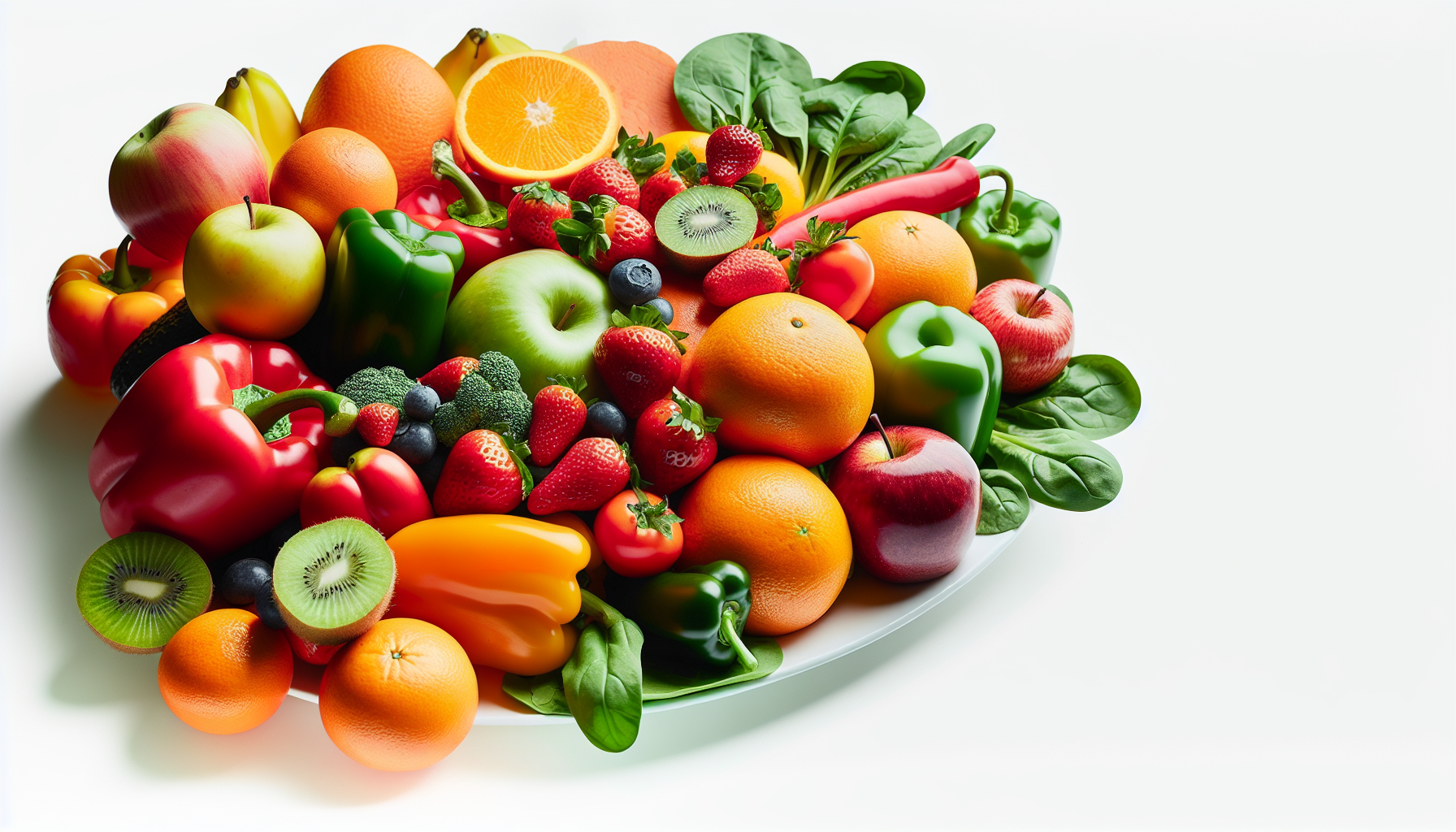
Incorporating the right foods into your diet can do wonders for your skin. Animal sources of vitamin A, such as salmon, beef liver, dairy products, eggs, fish, cod liver oil, and shrimp, are excellent for skin health. Plant sources of vitamin A beneficial for the skin include carrots, tomatoes, sweet potatoes, leafy greens, mangoes, apricots, and plums.
Vitamin B3, another skin-friendly nutrient, can be found in:
- beef
- poultry
- fish
- nuts
- seeds
- legumes
- grains
- turkey
Including these foods in your diet can significantly improve your skin health.
Foods to Avoid
While it’s essential to include skin-friendly foods in your diet, avoiding foods that can harm your skin is equally important. Properly balancing omega-3 and omega-6 fatty acids is crucial for skin health, as imbalances can impact inflammation.
Excessive consumption of omega-6 fatty acids can cause increased inflammation, negatively affecting skin health. Limiting foods high in omega-6 fatty acids is advisable to minimize skin inflammation.
The Role of Topical Skincare Products
In addition to a balanced diet, topical skincare products can boost your skin health. Topical products containing vitamins and minerals offer a range of benefits, from reducing signs of aging to protecting against sun damage and improving the appearance of wrinkles, dark spots, and acne.
However, with the myriad of skincare products available in the market, how do you choose the right ones for your skin? And what are the potential side effects you should be aware of?
Choosing the Right Products
Choosing the right skincare products can be overwhelming. But knowing your skin type—whether it’s oily, dry, sensitive, or a combination—can make a world of difference. It’s also crucial to focus on ingredients that match your skin type, such as alpha hydroxy acids for oily skin or shea butter for dry skin.
Researching ingredients and products using online databases like the Environmental Working Group’s Skin Deep database can help you understand the product’s formulation better. And remember, always conduct a patch test before fully integrating a new skincare product into your routine to prevent potential allergic reactions or skin irritations.
Possible Side Effects
While topical vitamins and skincare products can offer numerous benefits, it’s also important to be aware of potential side effects. Overuse of topical vitamin products can lead to an overdose, with serious symptoms such as passing out or trouble breathing in extreme cases.
Excessive oral or topical vitamin A can lead to skin irritation and other side effects such as headaches, blurred vision, and liver damage. If severe side effects such as trouble breathing, severe dizziness, or rash occur, it is crucial to discontinue use of the topical product immediately and seek medical advice.
Summary
In conclusion, maintaining radiant, glowing skin requires a holistic approach that combines a balanced diet, appropriate skincare routines, and a healthy lifestyle. The importance of vitamins, minerals, and Omega-3 fatty acids cannot be overstated. They not only nourish your skin but also protect it from damage, help in repair and growth, and keep it hydrated and youthful.
Remember, while topical products and supplements can provide an added boost, they cannot replace a healthy diet rich in these essential nutrients. Listen to your skin, understand its needs, and nourish it from within because glowing skin always reflects good health.
Frequently Asked Questions
What is the best vitamin for aging skin?
The best vitamin for aging skin is Vitamin E, also known as tocopherol. It is essential for maintaining skin health and has numerous benefits for the body, including eyesight, immune system, and brain health.
How can I improve my skin quality?
To improve your skin quality, avoid intense sun exposure and use sunscreen, wear protective clothing, and avoid tanning beds. Additionally, follow dermatologists’ tips such as applying sunscreen daily, not smoking, and using skin care products that match your skin’s needs. This can help protect your skin from sun damage and premature aging, as well as promote overall skin health and appearance.
What vitamins are essential for skin health?
To maintain healthy skin, it is important to ensure a sufficient intake of vitamins A, C, D, E, and K, as they each uniquely promote skin health. These vitamins support cell turnover, collagen synthesis, sun damage protection, and inflammation reduction.
What are the benefits of Omega-3 fatty acids for skin health?
Omega-3 fatty acids can benefit skin health by reducing inflammation, protecting against UV radiation, and improving skin hydration.
Are topical skincare products necessary for healthy skin?
Yes, while a healthy diet is essential, topical skincare products can provide an added boost to skin health when chosen and used correctly. They can enhance the benefits of essential nutrients for your skin.