

Navigating the world of supplements, particularly skin health ones, can be complex. A common query is what is the best time to take vitamins to maximize their benefits for the skin. While personal preferences play a role, understanding the relationship between vitamin absorption and meal timing and the vitamins’ nature can guide one toward an effective regimen. This article explores the intricacies of vitamin timing, helping you to personalize your supplement routine and debunk common misconceptions.
Key Takeaways
- Multivitamins are generally best taken with meals to enhance the absorption of fat-soluble vitamins such as A, D, E, and K.
- The effectiveness of vitamins does not strictly depend on the time of day, but consistency in your intake routine is crucial.
- Water-soluble vitamins can be taken anytime, but fat-soluble vitamins should be taken with a meal containing dietary fats.
- Personal health goals and the specific benefits of each vitamin should guide the timing and composition of your supplement intake.
- Listening to your body and adjusting your supplement schedule based on its response is essential for achieving optimal results.
- Best-selling vitamins for your skin are sold on Amazon.
Understanding the Best Time to Take Multivitamins

The Role of Meals in Multivitamin Absorption
The effectiveness of multivitamins is closely tied to their absorption, which can be significantly influenced by the presence of food in the stomach. Taking multivitamins with a meal enhances their absorption, particularly for fat-soluble vitamins such as A, D, E, and K. These vitamins require dietary fats to be properly assimilated into the body.
To optimize the absorption of multivitamins, consider the following points:
- Take multivitamins with a meal that includes fats, which can aid in absorbing fat-soluble vitamins.
- Avoid taking multivitamins on an empty stomach to prevent potential stomach discomfort.
- Establish a consistent routine for taking your multivitamin, whether with breakfast, lunch, or dinner.
Consistency in your vitamin routine is crucial. Find a time that aligns with your daily meal schedule and stick to it to ensure you receive the full benefits of your multivitamin.
Remember, while multivitamins can support your nutritional intake, they are not a substitute for a balanced diet. A holistic approach to skincare involves a balanced diet rich in vitamins A, C, D, E, and K, essential minerals, and Omega-3 fatty acids. Topical skincare products can complement but not replace a healthy diet for radiant, glowing skin.
Morning vs. Evening: Pros and Cons
When considering the optimal time to take vitamins for your skin, weighing the pros and cons of morning versus evening consumption is important. Morning intake may offer an energy boost, particularly with supplements like B vitamins, known for their invigorating properties. This can be especially beneficial for those looking to kickstart their day with heightened alertness and vitality.
In contrast, evening intake might be more suitable for supplements with calming effects, such as magnesium, which can contribute to a more relaxed state and potentially improve sleep quality. However, it’s worth noting that taking certain vitamins too close to bedtime, such as B-complex vitamins, could disrupt sleep for some individuals.
The effectiveness of most vitamins isn’t strictly tied to a specific time of day, making the timing a personal choice that should align with your daily routine and health goals.
Ultimately, deciding when to take vitamins should be tailored to your needs and lifestyle. For those taking a multivitamin containing a mix of energizing and calming nutrients, splitting the dosage between morning and evening may be a viable strategy. Consistency is key, and finding a routine that integrates seamlessly into your life is essential for maintaining a balanced diet and holistic approach to skincare.
The Impact of Dietary Fats on Fat-Soluble Vitamins
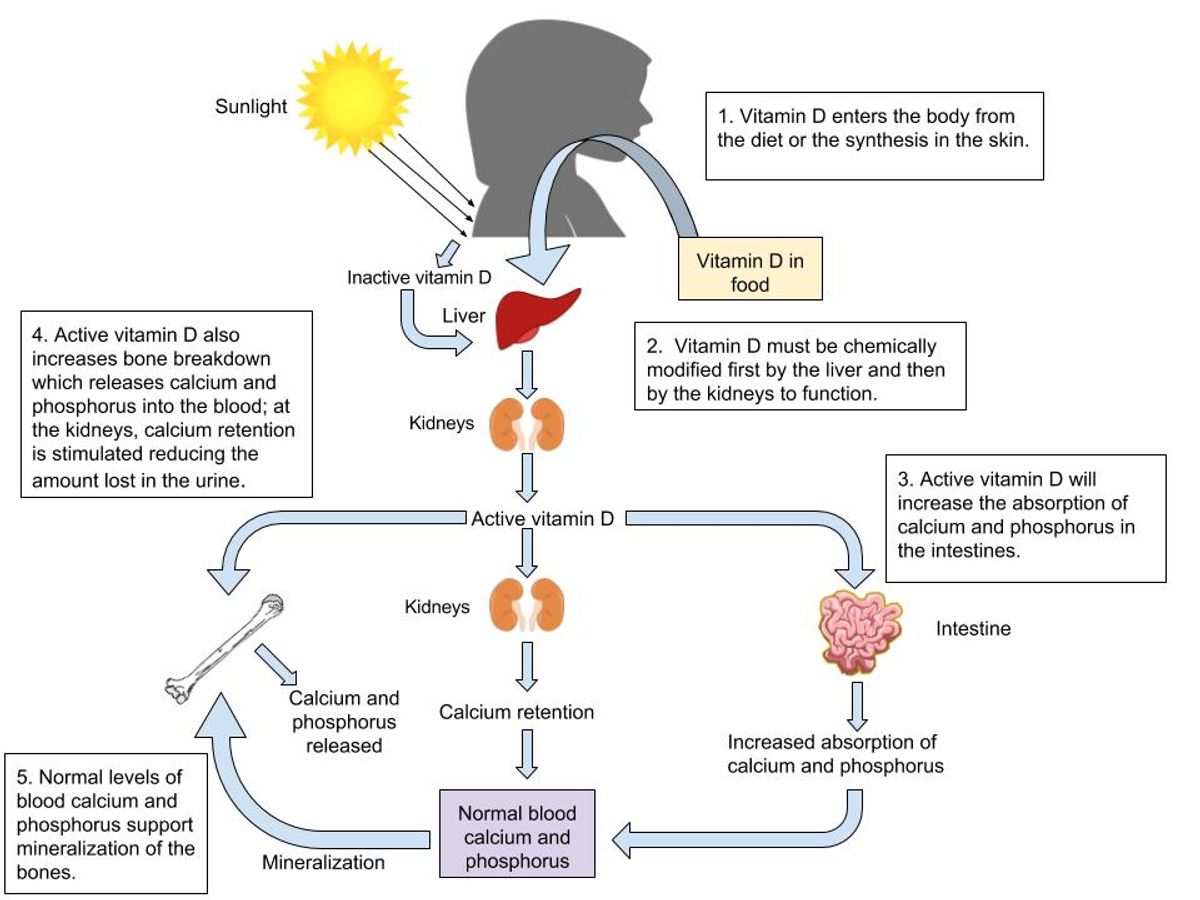
Fat-soluble vitamins, which include vitamins A, D, E, and K, require the presence of dietary fat for optimal absorption. Taking these vitamins with meals that contain healthy fats can significantly enhance their effectiveness. For instance, pairing vitamin D supplements with foods like nuts and avocados can be beneficial, as these fats facilitate the vitamin’s absorption into the body.
It’s important to note that while a balanced diet typically provides adequate amounts of vitamins A, K, and E, vitamin D deficiency is more common, particularly in specific populations. Therefore, a vitamin D supplement is often recommended, especially for individuals with limited sun exposure or a higher risk of deficiency.
Excessive intake of fat-soluble vitamins can lead to toxicity. It is crucial to consult with a healthcare provider to determine the appropriate dosage and to address any potential deficiencies before starting supplementation.
To summarize, here are key points to remember when taking fat-soluble vitamins:
- Consume with meals containing dietary fats
- Vitamin D supplementation may be necessary for some individuals
- Avoid high doses without medical advice
- Aim for a balanced diet to obtain these vitamins naturally
Individual Vitamins and Their Optimal Timing
Vitamins A, D, E, and K: Maximizing Absorption
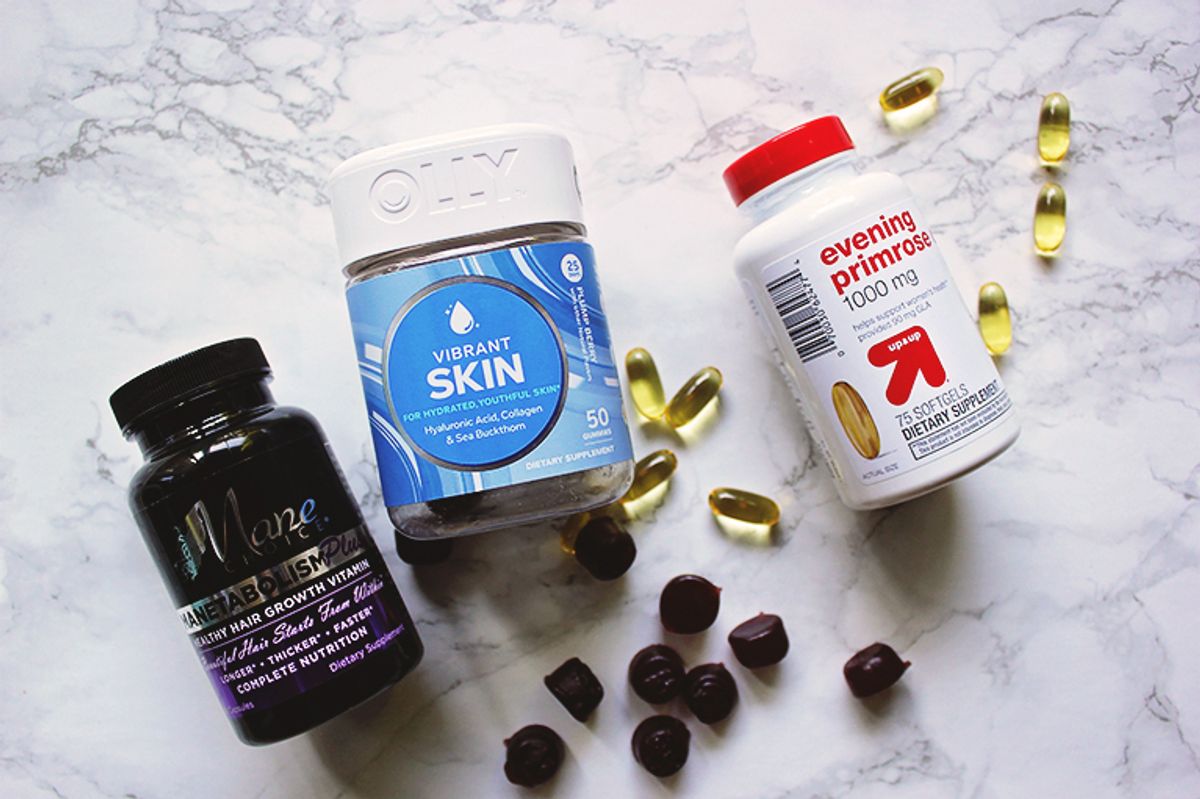
To ensure the best absorption of fat-soluble vitamins such as A, D, E, and K, it’s crucial to take them with meals that contain healthy fats. These vitamins are known as some of the best skin vitamins, and their optimal absorption is essential for maintaining healthy skin. For instance, incorporating foods like nuts and avocados can enhance absorption, as these vitamins require dietary fats for proper assimilation into the body.
When considering the best vitamins for skin, it’s important to remember that excessive intake can lead to toxicity. Therefore, moderation and consultation with a nutritionist are key to addressing any deficiencies safely.
For seniors with specific nutritional needs, the best vitamins for their skin include vitamins A, D, E, and K. These should be taken according to individual health requirements and under professional guidance to avoid adverse effects.
Water-Soluble Vitamins: When to Take Them
Water-soluble vitamins, including vitamins C and B (B1, B2, B3, B5, B7, B9, and B12), are essential for daily health as our body does not store them. Taking these vitamins with or without food is generally recommended for optimal absorption. However, vitamin B12 stands out as it is most effective when taken with meals.
While there is flexibility in the timing, it’s important to note that taking vitamins C and B-12 together may reduce the absorption of B-12. To prevent this, space out their intake by at least two hours.
The best time to take a B complex supplement is in the morning, preferably on an empty stomach with a glass of water. This routine helps kickstart your day and ensures consistent daily intake. Remember, the key to vitamin supplementation is finding a routine that integrates smoothly into your lifestyle and aligns with your health goals.
Special Considerations for Iron and Calcium
When it comes to iron supplements, timing can significantly affect absorption. Taking iron midmorning or midafternoon, especially on an empty stomach or with fruit juice rich in vitamin C, enhances absorption. However, taking iron with food may help reduce gastrointestinal discomfort if you have a sensitive stomach.
The need for iron supplementation can vary for individuals with specific health concerns or dietary patterns. For example, those at risk of low iron status, such as individuals with heavy menstrual periods, pregnant or breastfeeding women, or those following a vegetarian or vegan diet, may benefit from a multivitamin with iron. Conversely, postmenopausal women and men without specific iron-related health issues should be cautious of excessive iron intake, which can be harmful.
Calcium, on the other hand, is best taken with food to improve its absorption. It’s important to space out calcium intake throughout the day, as the body can only absorb a limited amount at a time. Additionally, calcium can interfere with the absorption of other minerals, such as iron and zinc, so it’s advisable to take them at different times.
Personalizing Your Vitamin Routine

Assessing Your Health Goals and Lifestyle
When personalizing your vitamin routine, it’s crucial to consider your individual health goals and lifestyle. Different objectives may require distinct supplementation strategies. For instance, if you aim to improve skin health, you might prioritize vitamins A, C, and E, known for their skin-nourishing properties.
- For Weight Loss: Consider a multivitamin that supports metabolism.
- For Brain Health: Look for vitamins B, D, and omega-3 fatty acids.
- For Bone Health: Ensure adequate intake of calcium and vitamin D.
- For Immune Support, Focus on vitamins C, D, and zinc.
Consistency is key in any supplementation plan. Aligning vitamin intake with your daily routine can enhance adherence and effectiveness.
Remember that lifestyle factors such as diet, exercise, and sleep patterns also play a significant role in your overall health and can influence the effectiveness of your vitamin regimen. It’s important to review and adjust your vitamin intake as your health goals or lifestyle changes.
The Importance of Consistency in Supplement Intake
Establishing a consistent routine is crucial for maximizing the benefits of vitamins for your skin. Consistency aids in maintaining stable nutrient levels in your body, contributing to healthier, more radiant skin over time. It’s not just about taking your vitamins; it’s about making them a part of your daily life.
- Morning Ritual or Evening Routine: Choose a time that aligns with your daily schedule and stick to it.
- Mealtime Integration: Taking supplements with or after meals can improve absorption and reduce side effects.
- Adjustment Period: Allow your body time to adapt to new supplements by introducing them gradually.
While the timing of vitamin intake can be flexible, the regularity of your routine is what truly matters. Find a rhythm that fits your lifestyle and health goals, and make it a habit.
Remember, personalization is key. Whether you’re taking a comprehensive multivitamin or individual nutrients, tailoring your intake to your specific needs can enhance the effectiveness of your regimen. Listen to your body and adjust to maintain that balance and support your skin’s health.
Listening to Your Body’s Response
Listening to your body’s response is crucial when integrating vitamins into your daily regimen. Each individual’s reaction to vitamin intake can vary, making monitoring how your body feels post-supplementation essential.
- Note any changes in energy levels, skin health, and overall well-being.
- Be aware of any adverse reactions, such as digestive discomfort or skin breakouts, which may require adjusting your vitamin intake.
- Consider keeping a journal to track your body’s responses over time. This can help you fine-tune your vitamin routine.
While the scientific community provides general guidelines, your body’s unique needs should guide your personal vitamin schedule. Paying attention to how you feel can lead to better tailored supplementation and, ultimately, more effective results.
Common Questions and Misconceptions About Vitamin Timing
Should You Always Take Vitamins with Food?
The common guidance for vitamin intake is to take them with or after meals to enhance absorption, particularly for fat-soluble vitamins such as A, D, E, and K. Consuming these with dietary fats can significantly improve their uptake by the body. Conversely, water-soluble vitamins like C and B’s can be taken with or without food, though B12 is more effective with meals.
It’s important to note that not all vitamins should be taken together. For instance, vitamin C can interfere with the absorption of B12, so it’s advisable to space them out by at least two hours.
Consistency is crucial when it comes to vitamin supplementation. Establishing a routine aligned with your meals can help maintain steady levels of nutrients, contributing to better overall health. Remember, a holistic approach to skincare includes vitamins, essential minerals, and Omega-3 fatty acids, complemented by topical products for radiant skin.
Can the Time of Day Affect Vitamin Efficacy?
Whether the time of day can influence the efficacy of vitamins is a topic of interest for many. Personal choice plays a significant role in determining when to take vitamins, as there is no strict rule that ties the effectiveness of most vitamins to a specific time of day. For some, a morning routine works best, while others may opt for an evening schedule to align with their lifestyle and health goals.
The most important factor is consistency in your vitamin routine. Establishing a regular pattern of intake can help ensure optimal absorption and efficacy.
Certain vitamins and minerals may have preferred consumption times based on their effects on the body. For example, B vitamins are often taken in the morning due to their role in energy metabolism. In contrast, minerals like magnesium might be better suited for evening use due to their relaxing properties. It’s essential to listen to your body’s response and adjust your supplement schedule as needed.
Ultimately, while the time of day may offer slight advantages for specific vitamins, the key is to maintain a consistent routine that accommodates your personal needs and health objectives.
Debunking Myths: Splitting Dosages and Empty Stomach Concerns
Myths and misconceptions about vitamin supplementation can lead to confusion about the best practices. One common belief is that taking vitamins on an empty stomach ensures better absorption, but this is not always true. In fact, fat-soluble vitamins A, D, E, and K require dietary fats for optimal absorption, and taking them without food can significantly reduce their efficacy.
Another topic of debate is whether splitting dosages throughout the day provides any benefit. While some individuals may find that dividing their vitamin intake helps with digestion or aligns with their health goals, it’s not a one-size-fits-all solution. Here’s a simple guideline to consider:
- Morning: Vitamins that provide energy or support metabolism
- Evening: Supplements that promote relaxation or aid sleep
It’s important to remember that personal health goals and specific supplement formulations should guide your decision-making process. Always consult with a healthcare provider to tailor your vitamin regimen to your individual needs.
Ultimately, the key to effective vitamin supplementation is consistency and attentiveness to how your body responds. You must contact your healthcare provider if you experience any adverse effects, such as nausea or gastrointestinal upset. Remember, your vitamin routine should complement your diet and lifestyle, not cause discomfort or inconvenience.
Navigating the world of vitamins and their optimal timing can be complex, with numerous questions and misconceptions surrounding the topic. Whether you’re curious about the best time to take vitamins for maximum absorption or you’re looking to debunk common myths, our comprehensive guide on vitamin timing is here to clear the confusion. Visit our website to explore in-depth articles, expert insights, and tailored advice to ensure you’re getting the most out of your supplements. Don’t let timing be a barrier to your health—unlock the full potential of vitamins with our expert guidance today.
Conclusion
In summary, the optimal time to take vitamins for your skin, or any supplements, is a nuanced decision that should be tailored to individual needs and lifestyles. While there are general recommendations to take multivitamins with meals to improve the absorption of fat-soluble vitamins, consistency is the most crucial factor. Establishing a routine that fits seamlessly into your daily life and paying attention to how your body responds will guide you toward the best timing for your vitamin intake. Whether you integrate your vitamins into your morning or evening ritual, the key is prioritizing your health and ensuring that your supplement schedule aligns with your specific health goals and dietary habits.
Frequently Asked Questions
When is the best time to take multivitamins for skin health?
Taking multivitamins with a meal is generally recommended to enhance the absorption of fat-soluble vitamins like A, D, E, and K, which are beneficial for skin health.
Is it better to take vitamins in the morning or evening?
The best time to take vitamins can vary based on personal preference and lifestyle. Some people prefer taking vitamins in the morning, while others prefer the evening. Consistency is more important than the specific time of day.
Should I always take vitamins with food?
Yes, taking vitamins with food can enhance absorption, especially for fat-soluble vitamins, and minimize potential stomach discomfort.
Can the time of day affect the efficacy of vitamins?
There isn’t strong evidence that the time of day significantly affects vitamin efficacy. However, taking them consistently at the same time each day may improve overall benefits.
Is it okay to split vitamin dosages throughout the day?
Yes, splitting the dosage between morning and evening can be beneficial for multivitamins containing both energizing and calming nutrients.
Should I choose a multivitamin with iron or without?
Choosing a multivitamin with or without iron depends on your needs and health goals. Consult with a healthcare provider to determine what’s best for you.