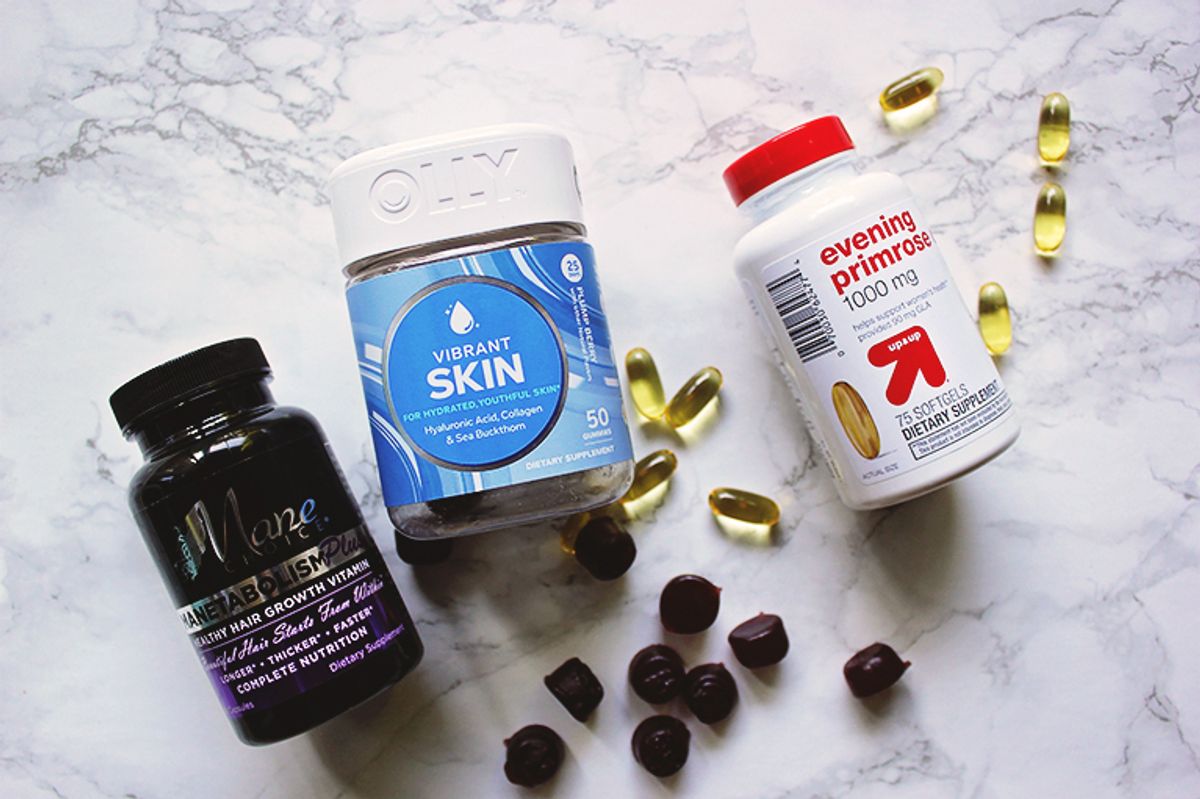
The Best Vitamins for Skin and Hair

Welcome to our comprehensive guide on the best vitamins for promoting healthy skin and hair. In this article, we will explore the top-rated supplements for skin health, essential vitamins for a glowing complexion, and vitamin-rich skincare products that can nourish your skin from within.

Key Takeaways:

  • Discover the best vitamins for skin and hair health.
  • Learn about the top-rated supplements for skin health.
  • Uncover the essential vitamins for a glowing complexion.
  • Explore vitamin-rich skincare products that can nourish your skin from within.
  • Promote healthy skin and hair by incorporating these skin-loving vitamins and minerals into your daily routine.

Understanding the Importance of Vitamins for Skin Health

Before diving into the world of skincare vitamins, it’s essential to grasp the vital role they play in maintaining overall skin health. Not only do they contribute to our physical well-being, but vitamins also offer numerous benefits for skin rejuvenation and repair. By incorporating these essential nutrients into our daily regimen, we can promote a youthful and radiant complexion.

Vitamins for skin rejuvenation not only enhance our outward appearance but also nourish our skin from within. They work harmoniously to support the skin’s natural rejuvenation and repair processes, helping to combat various skin concerns and maintain optimal skin health.

Some of the key benefits of vitamins for skin include:

  • Protection against environmental damage: Certain vitamins, such as vitamin C, act as powerful antioxidants, shielding the skin from harmful free radicals and environmental stressors that can cause premature aging.
  • Stimulation of collagen production: Vitamins like vitamin A and vitamin C promote the production of collagen, a vital protein responsible for maintaining the skin’s structure and elasticity. This helps to minimize the appearance of fine lines and wrinkles.
  • Increase in skin hydration: Vitamins such as vitamin E have moisturizing properties that help to lock in moisture and prevent dryness, keeping the skin supple and hydrated.
  • Reduction of inflammation: Some vitamins, like vitamin E and vitamin D, possess anti-inflammatory properties that can soothe irritated skin and reduce redness and swelling.
  • Enhanced skin tone and texture: Vitamin A and vitamin B3 (niacinamide) play a crucial role in regulating skin cell turnover, promoting a smoother and more even complexion.

By understanding the benefits of vitamins for skin rejuvenation and repair, we can make informed choices when it comes to our skincare routine. Whether you prefer incorporating vitamins into your diet or utilizing vitamin-rich skincare products, these nutrients can work wonders for achieving and maintaining a healthy, glowing complexion.

Vitamin A: The Anti-Aging Powerhouse

When it comes to skincare, vitamin A is an absolute game-changer. This powerhouse nutrient, encompassing retinol and beta-carotene, is renowned for its impressive anti-aging properties. Not only does it improve skin texture and tone, but it also reduces the appearance of fine lines and wrinkles, giving you a more youthful and radiant complexion.

Vitamin A works its magic by stimulating collagen production, which is essential for maintaining the elasticity and firmness of our skin. It also promotes cell turnover, helping to fade dark spots and hyperpigmentation. Additionally, this nutrient can regulate sebum production, preventing clogged pores and reducing the likelihood of acne breakouts.

One of the key players in the vitamin A family is retinol. This derivative is commonly found in many skincare products, such as serums and creams. Retinol is renowned for its ability to enhance the production of collagen and elastin, two proteins responsible for keeping the skin supple and plump. By incorporating retinol into your skincare routine, you can effectively combat the signs of aging and achieve a more youthful complexion.

Beta-carotene, on the other hand, is a precursor to vitamin A that can be found in various fruits and vegetables. When ingested, beta-carotene is converted into vitamin A in the body. This nutrient is a potent antioxidant that helps protect the skin from damaging free radicals, thereby preventing premature aging.

Retinol and beta-carotene, both forms of vitamin A, offer exceptional benefits for the skin. They improve skin texture, diminish wrinkles, and provide overall anti-aging effects.

While retinol is effective, it can cause sensitivity in some individuals. Therefore, it’s important to start with a low concentration and gradually increase the usage. It’s also essential to wear sunscreen during the day when using retinol-based products, as they can increase the skin’s sensitivity to sunlight.

Incorporating vitamin A-rich foods into your diet can also provide valuable skin benefits. Carrots, sweet potatoes, spinach, kale, and mangoes are just a few examples of the many delicious sources of beta-carotene. By enjoying a variety of these nutritious foods, you can nourish your skin from within and enhance its natural glow.

Vitamin A: At a Glance

Benefits of Vitamin A for Skin Retinol Benefits for Skin Skin Benefits of Beta-Carotene
Improves skin texture Stimulates collagen production Acts as a potent antioxidant
Reduces fine lines and wrinkles Enhances elastin production Prevents premature aging
Enhances overall skin tone Fades dark spots and hyperpigmentation Protects against free radicals
Regulates sebum production Combats signs of aging

By harnessing the power of vitamin A, you can attain a youthful, revitalized complexion that radiates with vitality. Whether you opt for retinol-infused skincare products or incorporate beta-carotene-rich foods into your diet, vitamin A is sure to become your go-to anti-aging ally. So, unlock the secrets of this incredible nutrient and nurture your skin to reveal its true beauty.

Vitamin C: The Brightening and Collagen-Boosting Hero

Vitamin C plays a pivotal role in achieving a healthy and radiant complexion. This powerful antioxidant not only brightens the skin but also stimulates collagen production, which helps maintain firm and elastic skin.

One of the key benefits of vitamin C for skin is its ability to act as a brightening agent. It helps fade dark spots and hyperpigmentation, leaving your skin with a more even tone and a luminous glow. By inhibiting the production of melanin, vitamin C can also help prevent future discoloration and promote a more youthful appearance.

But vitamin C doesn’t stop at brightening your skin. It also plays a crucial role in collagen production, a protein that contributes to the skin’s structure and elasticity. As we age, collagen production naturally decreases, leading to the formation of fine lines, wrinkles, and sagging skin. By incorporating vitamin C into your skincare routine, you can boost collagen synthesis and help maintain a firm and plump complexion.

Furthermore, vitamin C is known for its antioxidant properties, which protect the skin from damaging free radicals. These free radicals are unstable molecules that can cause premature aging and skin damage. By neutralizing these harmful molecules, vitamin C helps keep your skin healthy and youthful-looking.

The Benefits of Vitamin C for Your Skin

Let’s take a closer look at the specific benefits of vitamin C for your skin:

  1. Collagen production: Vitamin C stimulates collagen synthesis, promoting skin firmness and elasticity.
  2. Anti-aging effects: By reducing the appearance of fine lines and wrinkles, vitamin C helps you maintain a more youthful complexion.
  3. Skin brightening: Vitamin C fades dark spots, hyperpigmentation, and discoloration, resulting in a more even skin tone.
  4. Protection against free radicals: As an antioxidant, vitamin C helps protect your skin from damaging free radicals, preventing premature aging and skin damage.

When it comes to incorporating vitamin C into your skincare routine, you have various options. Vitamin C serums, creams, and masks are popular choices, as they provide concentrated doses of vitamin C directly to the skin. Additionally, consuming foods rich in vitamin C, such as citrus fruits, strawberries, and broccoli, can also support your skin’s health from the inside out.

“Vitamin C is a game-changer for my skin. Not only does it brighten my complexion, but it also keeps my skin looking plump and youthful.” – Sarah, skincare enthusiast

In conclusion, vitamin C is a versatile skincare ingredient known for its brightening and collagen-boosting properties. By incorporating vitamin C into your skincare routine and diet, you can achieve a healthy, glowing complexion that stands the test of time.

Vitamin E: The Moisturizing and Healing Nutrient

Vitamin E is a powerful nutrient known for its exceptional moisturizing and healing properties. When it comes to skincare, vitamin E is a true game-changer. Let’s explore the benefits of vitamin E for skin hydration and its effectiveness in promoting the healing of scars and damaged skin.

The Benefits of Vitamin E for Skin Hydration

Vitamin E is a natural moisturizer that helps replenish and lock in moisture, leaving your skin soft, supple, and well-nourished. It has the ability to penetrate deep into the skin, providing hydration from within. By incorporating vitamin E into your skincare routine, you can combat dryness and maintain optimal skin hydration.

In addition to its moisturizing properties, vitamin E also acts as a protective barrier against environmental aggressors. It shields the skin from free radicals and UV damage, preventing moisture loss and keeping your skin hydrated throughout the day.

Vitamin E for Scar Healing

Another remarkable benefit of vitamin E is its ability to promote the healing of scars and damaged skin. Vitamin E helps to accelerate the skin’s natural healing process and reduce the appearance of scars. Its anti-inflammatory properties help calm the skin, while its antioxidant properties aid in repairing and regenerating damaged tissues.

Whether you have acne scars, surgical scars, or stretch marks, incorporating vitamin E into your skincare routine can significantly improve the appearance of these imperfections over time.

“Vitamin E has been my go-to for years. Not only does it keep my skin hydrated, but it also helped fade my acne scars. It’s a skincare staple that I can’t live without.” – Emma, skincare enthusiast

A Balanced Approach to Vitamin E

While vitamin E offers numerous benefits for the skin, it’s important to incorporate it into a well-rounded skincare routine that also includes other essential nutrients and ingredients. Remember, achieving the best results is all about balance.

  • Look for skincare products that contain vitamin E as a key ingredient. These can include moisturizers, serums, and oils.
  • Consider incorporating vitamin E-rich foods into your diet, such as almonds, spinach, and avocados.
  • Consult with a dermatologist or skincare professional to determine the best approach for your specific skin concerns and needs.

By harnessing the moisturizing and healing power of vitamin E, you can achieve hydrated, healthy, and resilient skin. Embrace the benefits of vitamin E and unlock your skin’s full potential.

Benefits of Vitamin E for Skin Benefits of Vitamin E for Hydration Benefits of Vitamin E for Scar Healing
Powerful moisturizer Replenishes and locks in moisture Accelerates the skin’s healing process
Protects against environmental aggressors Prevents moisture loss Reduces the appearance of scars
Anti-inflammatory properties Keeps skin hydrated throughout the day Repairs and regenerates damaged tissues

B Vitamins: The Energizers for Skin and Hair

The B vitamins, including biotin and niacin, play a vital role in promoting healthy skin and hair growth. These essential nutrients are necessary for maintaining skin health and contribute to the vitality of your hair, giving it a vibrant and lustrous appearance.

B vitamins are known to support the overall health of your skin by enhancing its natural glow and improving its texture. They help in the production of collagen, a key protein that provides strength and structure to the skin. By boosting collagen production, B vitamins contribute to the elasticity and firmness of your skin, reducing the appearance of fine lines and wrinkles.

When it comes to hair growth, the importance of B vitamins cannot be overstated. Biotin, a member of the B vitamin family, is particularly known for its role in nourishing hair follicles and promoting healthy hair growth. It strengthens the hair shaft, reduces hair breakage, and encourages the growth of thicker and fuller hair.

In addition to biotin, niacin (vitamin B3) also supports hair health. Niacin helps improve blood circulation to the scalp, ensuring that the hair follicles receive sufficient oxygen and nutrients for optimal growth. This can result in stronger, healthier hair with improved texture and shine.

The Benefits of B Vitamins for Skin and Hair:

  • Promotes healthy skin: B vitamins contribute to the overall health and appearance of your skin by enhancing its radiance, texture, and elasticity.
  • Reduces signs of aging: By supporting collagen production, B vitamins help reduce the appearance of fine lines and wrinkles, promoting a youthful complexion.
  • Nourishes hair follicles: Biotin, a B vitamin, nourishes hair follicles, promoting healthy hair growth and reducing hair breakage.
  • Improves hair texture and shine: Niacin (vitamin B3) helps improve blood circulation to the scalp, resulting in stronger and shinier hair.

Integrating B vitamins into your daily routine can be as simple as incorporating B vitamin-rich foods into your diet or taking a high-quality B complex supplement. Prioritizing these essential nutrients can help you achieve the healthy, glowing skin and luscious hair you desire.

B Vitamin Skin Benefits Hair Benefits
Biotin (Vitamin B7) – Enhances skin health
– Improves skin texture
– Boosts collagen production
– Nourishes hair follicles
– Promotes healthy hair growth
– Reduces hair breakage
Niacin (Vitamin B3) – Improves blood circulation to the skin
– Enhances skin barrier function
– Improves blood circulation to the scalp
– Strengthens hair strands
– Enhances hair texture and shine

Zinc: The Mineral for Fighting Acne and Inflammation

When it comes to maintaining clear and healthy skin, zinc is a mineral that can work wonders. Not only does it help combat acne, but it also has powerful anti-inflammatory properties. Incorporating zinc into your diet or skincare routine can provide numerous skin benefits.

Benefits of Zinc for Acne

Zinc plays a crucial role in regulating sebum production, which is the oily substance that can clog pores and lead to acne. By reducing sebum production, zinc helps prevent the formation of acne-causing bacteria and keeps the skin clean and blemish-free. Additionally, zinc’s anti-inflammatory properties help calm redness and irritation commonly associated with acne breakouts.

Skin Benefits of Zinc

Aside from fighting acne, zinc offers a range of other skin benefits. It supports collagen production, which is essential for maintaining skin elasticity and reducing fine lines and wrinkles. Zinc also helps protect the skin from harmful UV rays, promoting a youthful complexion and preventing premature aging.

Zinc for Inflammation Reduction

Zinc’s anti-inflammatory properties make it a valuable tool for reducing skin inflammation. Whether caused by acne, eczema, or other skin conditions, zinc can help soothe redness, swelling, and irritation. By calming inflammation, zinc promotes a healthier and more balanced complexion.

Whether you choose to incorporate zinc-rich foods like oysters, pumpkin seeds, and spinach into your diet or use skincare products that contain zinc, this mineral can make a noticeable difference in the appearance and health of your skin.

Zinc-rich Foods Recommended Daily Intake
Oysters 74mg per 100g serving
Pumpkin Seeds 7.5mg per 28g serving
Spinach 0.53mg per 156g serving

Omega-3 Fatty Acids: Promoting Radiant and Youthful Skin

The inclusion of omega-3 fatty acids in your diet can do wonders for your skin’s health and appearance. These essential fats, commonly found in fish oil, play a crucial role in maintaining skin health and promoting a youthful glow.

Omega-3 fatty acids are known to provide numerous benefits for the skin. They have anti-inflammatory properties that can reduce redness and inflammation, making them particularly beneficial for individuals with inflammatory skin conditions such as acne or rosacea.

Furthermore, omega-3 fatty acids help to retain moisture in the skin, contributing to skin hydration and preventing dryness. By maintaining adequate moisture levels, omega-3 fatty acids promote a plump and supple complexion, reducing the appearance of fine lines and wrinkles.

These fatty acids also have the ability to support the skin’s natural barrier function, protecting it from environmental stressors and preventing water loss. This strengthens the skin’s defenses, keeping it healthy, resilient, and better able to withstand external factors that may contribute to premature aging.

Additionally, omega-3 fatty acids have been found to enhance collagen production, which is vital for maintaining skin elasticity. Collagen helps to keep the skin firm and toned, minimizing the appearance of sagging or drooping skin.

By incorporating omega-3 fatty acids into your diet, you can improve your skin’s overall health and appearance. It’s important to note that while fish oil supplements are widely available, it’s always best to consult with a healthcare professional before starting any new dietary regimen or supplementation.

References:

  1. Omega-3 Fatty Acids and Skin Health: A Concise Review. – https://www.ncbi.nlm.nih.gov/pmc/articles/PMC3673383/
  2. Omega-3 Fatty Acids and Inflammatory Skin Diseases – https://www.ncbi.nlm.nih.gov/pmc/articles/PMC2909877/
  3. Effect of dietary supplementation with omega-3 fatty acid and gamma-linolenic acid on acne vulgaris: a randomised, double-blind, controlled trial. – https://pubmed.ncbi.nlm.nih.gov/25607907/
Benefits of Omega-3 Fatty Acids for Skin
Reduces inflammation and redness
Promotes skin hydration and prevents dryness
Strengthens the skin’s barrier function
Enhances collagen production for improved elasticity

By adding omega-3 fatty acids to your skincare routine, you can enjoy the skin-nourishing benefits they provide. Whether you choose to incorporate them through dietary sources or high-quality supplements, omega-3 fatty acids are a valuable addition to your quest for radiant and youthful skin.

Collagen Supplements: Boosting Skin Elasticity and Wrinkle Reduction

Collagen supplements have gained popularity in the skincare industry for their remarkable ability to improve skin elasticity and reduce the appearance of wrinkles. As we age, our body’s collagen production naturally declines, resulting in sagging skin, fine lines, and wrinkles. However, by incorporating collagen supplements into your daily routine, you can promote a youthful and resilient complexion.

One of the key benefits of collagen supplements for skin is their ability to enhance elasticity. Collagen is a protein that provides structural support to our skin, keeping it firm and plump. By replenishing collagen levels through supplementation, you can help restore the skin’s natural elasticity, resulting in a smoother and more youthful appearance.

Reducing wrinkles is another remarkable advantage of collagen supplements. As collagen production decreases with age, our skin becomes more prone to developing fine lines and wrinkles. By stimulating collagen synthesis through supplementation, you can help diminish the depth and visibility of wrinkles, leading to a more youthful and radiant complexion.

Furthermore, collagen supplements can also contribute to improved skin hydration. The unique properties of collagen help retain moisture in the skin, preventing dryness and promoting a healthy glow. Hydrated skin appears plumper and smoother, reducing the appearance of fine lines and wrinkles.

“Collagen supplements have revolutionized the skincare industry, offering a convenient and effective way to promote skin elasticity and reduce wrinkles.” – Dr. Lisa Thompson, Dermatologist

It’s important to note that collagen supplements may take some time to show visible results. Consistency and patience are key when incorporating them into your skincare routine. Additionally, it’s essential to choose high-quality collagen supplements from trusted brands to ensure maximum efficacy and safety.

In conclusion, collagen supplements can be a valuable addition to your skincare regimen, helping boost skin elasticity and reducing the appearance of wrinkles. By nourishing your skin from within, these supplements can contribute to a youthful and resilient complexion.

Multivitamins: Comprehensive Skin and Hair Support

While individual vitamins play crucial roles in promoting skin and hair health, a well-rounded multivitamin can provide comprehensive support. Incorporating a high-quality multivitamin into your daily routine can help nourish your skin and hair from within, ensuring they receive the essential nutrients they need to thrive.

A multivitamin formulated specifically for skin health can supply a wide range of vitamins and minerals that contribute to a radiant complexion and vibrant hair. These carefully selected nutrients work synergistically to support your skin’s natural functions and promote overall hair growth and strength.

By taking a multivitamin designed for skin health, you can conveniently address multiple needs in one supplement. This comprehensive approach ensures that you’re not missing out on any essential nutrients that are crucial for maintaining healthy skin and promoting hair growth.

The Benefits of Multivitamins for Skin Health

When looking for multivitamins for skin health, it’s important to choose a formula that includes key vitamins like vitamin A, vitamin C, vitamin E, and B vitamins. These vitamins provide a wide range of benefits for your skin:

  • The multivitamins for skin health containing vitamin A can help support overall skin health by improving texture, reducing the appearance of fine lines and wrinkles, and promoting a more even skin tone.
  • Vitamin C is known for its brightening properties and is essential for collagen production, which contributes to firmer, more youthful-looking skin.
  • Vitamin E is a powerful antioxidant that hydrates the skin and aids in the healing of scars and damaged skin.
  • B vitamins, including biotin and niacin, promote a healthy scalp and nourish hair follicles, leading to healthy hair growth and vibrant locks.

Incorporating a multivitamin into your skincare routine can provide comprehensive nourishment for your skin. It ensures that you’re addressing all the aspects of skin health, from anti-aging benefits to hydration and improved texture.

Comprehensive Hair Support with Multivitamins

In addition to supporting skin health, multivitamins can also promote hair growth and strength. By providing essential vitamins and minerals, they help nourish the hair follicles and support overall hair health.

A multivitamin for hair growth contains vitamins like biotin, niacin, and antioxidants to support the production of keratin, the protein that makes up hair strands. These nutrients can strengthen the hair and reduce breakage, leading to longer, thicker, and healthier hair.

When choosing a multivitamin for hair growth, look for one that includes the necessary nutrients to support healthy hair follicles and scalp, such as biotin, niacin, and vitamins A, C, and E. These vitamins work together to promote hair growth and ensure that your hair receives the comprehensive care it needs.

In conclusion, incorporating a high-quality multivitamin into your daily routine can provide comprehensive support for both your skin and hair. Choose a multivitamin that is specifically formulated for skin health to address multiple needs at once, and consider a multivitamin for hair growth to promote strong and vibrant locks. By ensuring your body receives all the essential nutrients it needs, you can achieve beautiful and healthy skin and hair.

Conclusion

By incorporating the best skin vitamins into your daily routine, you can nourish your complexion from within. Whether it’s vitamin A for anti-aging, vitamin C for brightening, or omega-3 fatty acids for promoting radiant skin, these essential nutrients can enhance your natural beauty and promote a healthier-looking you.

Take charge of your skincare regimen and unlock the power of vitamins for skin and hair health today.

FAQ

What are the best skin vitamins?

The best vitamins for skin health include vitamin A, vitamin C, vitamin E, B vitamins, zinc, omega-3 fatty acids, and collagen supplements.

Can I get these vitamins from my diet alone?

While it is possible to obtain some vitamins through a balanced diet, it can be challenging to get adequate amounts. That’s why taking supplements or using vitamin-rich skincare products can ensure you’re getting enough nutrients for optimal skin health.

Are there any side effects of taking skin vitamins?

In general, when taken in recommended doses, vitamins usually don’t cause significant side effects. However, it’s always a good idea to consult with a healthcare professional before starting any new dietary supplement routine to ensure it’s appropriate for your specific needs.

How long does it take to see results from skin vitamins?

The timeline for seeing results from skin vitamins can vary from person to person, as it depends on factors like a person’s overall health, current nutritional status, and consistency in taking the supplements. Generally, it can take a few weeks to a few months to notice improvements in skin health and appearance.

Can skin vitamins help with specific skin concerns, such as acne or wrinkles?

Yes, certain vitamins, like vitamin A for acne and vitamin C for wrinkles, can specifically target and address common skin concerns. However, it’s important to remember that vitamins work best in combination with a well-rounded skincare routine and a healthy lifestyle.

Can I use vitamin supplements on my skin directly?

While some vitamin supplements can be used topically, it’s generally more effective to obtain vitamins through a balanced diet or supplements specifically formulated for oral consumption. However, it’s always best to consult with a skincare professional or dermatologist for personalized advice.

Can I take multiple skin vitamins together?

Yes, it’s usually safe to take multiple skin vitamins together. In fact, certain vitamins work synergistically to enhance each other’s efficacy. However, it’s essential to follow the recommended daily dosage and consult with a healthcare professional if you have any concerns or underlying health conditions.

Are vitamin-rich skincare products effective?

Vitamin-rich skincare products can be effective in nourishing the skin with essential nutrients. However, it’s important to choose high-quality, reputable brands and ensure the products contain clinically proven ingredients and concentrations. Remember, skincare products should complement a healthy lifestyle and not substitute for a well-balanced diet or supplements.

Can I stop taking skin vitamins once I achieve the desired results?

While it’s possible to see improvements in your skin’s health and appearance by incorporating skin vitamins, it’s generally recommended to continue using them as part of a long-term skincare regimen. Consistency is key to maintaining optimal skin health, and vitamins provide ongoing nourishment and support for your complexion.


Unveil Radiance with Top Skincare Products!

Welcome to our comprehensive guide on achieving radiant and youthful skin with the help of top skincare products, best skincare brands, and insightful skincare reviews. Your journey to healthy and beautiful skin starts here! We understand the importance of taking care of your skin and how it can boost your confidence and well-being. With our expert advice and recommendations, you can unlock the secrets to a glowing complexion that will turn heads wherever you go.

At [Website Name], we are passionate about skincare and committed to providing you with valuable information and resources to enhance your skincare routine. Whether you’re a skincare enthusiast or a beginner looking to establish an effective regimen, we’ve got you covered. Our team of skincare experts has carefully curated a selection of top skincare products and best skincare brands that have garnered rave reviews and critical acclaim.

From indulgent creams to powerful serums, we’ll introduce you to the world of luxury skincare and budget-friendly options that suit various skin types and concerns. Our in-depth skincare reviews will provide you with valuable insights into the effectiveness of different products, helping you make informed decisions tailored to your unique needs.

Remember, skincare is not just about slathering on products—it’s about creating a holistic routine that nourishes and protects your skin. We’ll guide you through the essentials of a skincare regimen, offer tips and tricks to master your routine, and emphasize the benefits of using natural skincare products. With our recommendations and expert advice, you’ll be well on your way to achieving the healthy, radiant skin you’ve always dreamed of.

Key Takeaways:

  • Discover the top skincare products that can transform your complexion.
  • Explore the best skincare brands offering high-quality products.
  • Gain insights from skincare reviews to make informed choices.
  • Establish an effective skincare routine with our tips and tricks.
  • Embrace natural skincare products for healthier and more vibrant skin.

The Essentials of Skincare

When it comes to skincare, having a consistent routine is essential for maintaining the health and radiance of your skin. Whether you’re a skincare enthusiast or just starting out, these tips and tricks will help you establish an effective regimen that’s tailored to your needs.

Create a Skincare Routine

Building a skincare routine is like creating a foundation for your skincare journey. Start by understanding your skin type and concerns. Are you prone to dryness, oiliness, or sensitivity? Identifying these factors will help you select the right products.

Once you know your skin type, establish a basic skincare routine that includes cleansing, toning, moisturizing, and protecting. Cleansing removes dirt and impurities, while toning balances the skin’s pH levels. Moisturizers hydrate and nourish the skin, while sunscreen protects against harmful UV rays.

Choose Natural Skincare Products

“Nature has its own way of healing and nurturing.”

When it comes to skincare, natural products are gaining popularity for good reason. They harness the power of botanical ingredients to nourish and rejuvenate the skin without harsh chemicals. Natural skincare products are formulated with carefully selected plant extracts, essential oils, and antioxidants to promote healthier and more radiant skin.

The benefits of natural skincare products extend beyond just your skin. By choosing natural options, you’re also supporting sustainable practices and minimizing your environmental impact.

Some popular natural skincare brands to consider include:

  • Herbivore Botanicals
  • Drunk Elephant
  • Tata Harper
  • REN Clean Skincare
Brand Benefits
Herbivore Botanicals Cruelty-free, vegan products with a focus on natural and ethically sourced ingredients
Drunk Elephant Clean skincare brand that emphasizes effectiveness and avoids the “Suspicious 6” ingredients
Tata Harper Luxurious, farm-to-face skincare products made with organic ingredients from the brand’s own farm
REN Clean Skincare Environmentally conscious brand committed to using naturally derived and sustainable ingredients

Remember, the key to a successful skincare routine is consistency. Stick to your routine and give your skin time to adjust to the new products. With dedication and the right products, you’ll be on your way to achieving healthier, glowing skin.

Discover the Best Skincare Brands

When it comes to skincare, choosing the right brand is crucial. With so many options available, it can be challenging to determine which brands offer the best products for your skin. In this section, we will take a closer look at some of the top skincare brands in the market, examining their key product offerings and sharing insightful skincare reviews to help you make informed choices.

1. Brand Name A

Brand Name A has established itself as a leader in the skincare industry, known for its innovative products that deliver exceptional results. Their wide range of skincare offerings caters to various skin concerns, from anti-aging to hydration and more. Highly recommended by skincare enthusiasts, Brand Name A’s products consistently receive positive reviews for their efficacy and quality.

2. Brand Name B

For those seeking natural and organic skincare options, Brand Name B stands out. Their commitment to using clean ingredients is evident in their product formulations. With an emphasis on sustainability, Brand Name B offers a range of eco-friendly skincare products that are gentle on the skin while delivering impressive results. Positive skincare reviews often highlight the brand’s dedication to creating effective and environmentally conscious products.

3. Brand Name C

If you’re looking for a luxury skincare experience, Brand Name C is worth exploring. Known for their high-end formulations and luxurious packaging, Brand Name C’s products are designed to pamper your skin while targeting specific concerns. Skincare enthusiasts rave about their indulgent textures and noticeable results, making Brand Name C a go-to choice for those seeking a touch of luxury in their skincare routine.

4. Brand Name D

Brand Name D has gained a loyal following for its commitment to clean beauty and ingredient transparency. Their range of skincare products is free from harsh chemicals and artificial fragrances, making them suitable for even the most sensitive skin types. Skincare reviews often highlight the brand’s efficacy in addressing common skin concerns while maintaining a focus on skin health.

Skincare Brand Key Product Offerings Skin Type Customer Reviews
Brand Name A Anti-aging serums, hydrating moisturizers, and revitalizing masks All skin types ⭐⭐⭐⭐⭐
Brand Name B Organic cleansers, botanical facial oils, and natural exfoliators Sensitive and dry skin ⭐⭐⭐⭐
Brand Name C Luxury anti-aging creams, nourishing eye creams, and velvety serums Mature and aging skin ⭐⭐⭐⭐⭐
Brand Name D Gentle cleansers, soothing toners, and hydrating face mists All skin types, especially sensitive skin ⭐⭐⭐⭐

These are just a few examples of the best skincare brands worth exploring. When selecting skincare products, consider your specific skin concerns, preferences, and skin type to find the brand that aligns with your needs. Remember to read skincare reviews for insights from real customers who have tried and tested these brands, helping you make informed decisions for your skincare routine.

Unlock Ageless Beauty with Top Rated Skincare

When it comes to achieving ageless beauty, the quality of skincare products you choose makes a significant difference. That’s why it’s important to invest in top rated skincare from the best skincare brands that have a proven track record of delivering exceptional results.

With a myriad of options available, it can be overwhelming to navigate through the vast sea of skincare products. That’s why we’ve done the research for you and curated a selection of top rated skincare products from the best skincare brands in the industry.

Discover the Power of Top Rated Skincare

Top rated skincare products are formulated using advanced technologies and high-quality ingredients that have been extensively researched and tested. These products have garnered raving reviews from both experts and consumers alike, earning their reputation as the crème de la crème of the skincare world.

Using top rated skincare products can help you unlock ageless beauty by addressing specific skin concerns, such as wrinkles, dullness, and uneven texture. These products are carefully crafted to deliver visible results, making your skin look younger, healthier, and more radiant.

The Best Skincare Brands for Ageless Beauty

When it comes to choosing the best skincare brands, we’ve handpicked a selection of industry leaders renowned for their commitment to excellence and innovation. These brands have consistently proven their ability to deliver transformative skincare solutions that cater to a wide range of skin types and concerns.

Skincare Brand Key Products
Brand X – Anti-Aging Serum
– Hydrating Moisturizer
– Brightening Eye Cream
Brand Y – Firming Face Mask
– Rejuvenating Night Cream
– Gentle Cleansing Gel
Brand Z – Retinol Repair Serum
– Nourishing Day Cream
– Exfoliating Facial Scrub

These brands have gained a loyal following thanks to their commitment to quality, innovation, and the remarkable results their products deliver.

Unlock ageless beauty with top rated skincare from the best skincare brands. By incorporating these exceptional products into your skincare routine, you can enjoy visible improvements in your skin’s texture, tone, and overall vitality.

Master Your Skincare Routine

Establishing a consistent skincare routine is essential for achieving and maintaining healthy, radiant skin. By following a few simple steps and incorporating some valuable tips and tricks, you can master your skincare routine and enjoy the benefits it brings. Here’s a breakdown of the essential steps to get you started:

  1. Cleanse: Start your skincare routine by cleansing your face with a gentle cleanser to remove dirt, oil, and impurities. This step prepares your skin for better product absorption.
  2. Tone: After cleansing, use a toner to balance your skin’s pH levels and tighten pores. Look for toners that are alcohol-free and contain beneficial ingredients like hyaluronic acid or witch hazel.
  3. Treat: Apply targeted treatments such as serums or facial oils to address specific skin concerns like hydration, brightening, or anti-aging. Choose products based on your skin type and concerns.
  4. Moisturize: Hydrate and nourish your skin with a moisturizer suitable for your skin type. This step helps to lock in moisture and create a protective barrier against environmental stressors.
  5. Protect: Don’t forget to apply sunscreen with at least SPF 30 every morning to shield your skin from harmful UV rays. Sun protection is crucial in preventing premature aging and reducing the risk of skin damage.

Consistency is key when it comes to skincare. Stick to your routine morning and night, and be patient. It can take time to see results, so don’t get discouraged. Remember to listen to your skin and adjust your routine as needed. Incorporate these skincare tips and tricks into your daily regimen, and you’ll be on your way to healthier, more beautiful skin.

Valuable Tips and Tricks:

Keep it simple: Avoid using too many products at once, as this can overwhelm your skin. Start with the basics and gradually introduce new products.

Know your skin type: Understanding your skin type will help you choose the right products and treatments for optimal results.

Stay hydrated: Hydrating from the inside out is equally important. Drink plenty of water throughout the day to keep your skin plump and glowing.

Exfoliate regularly: Incorporate exfoliation into your routine to remove dead skin cells and reveal a smoother complexion. But remember to be gentle and avoid over-exfoliation.

Get enough sleep: Beauty sleep is real! Aim for 7-9 hours of quality sleep each night to allow your skin to repair and regenerate.

Natural Skincare Products for Healthy Skin

Natural skincare products offer a gentle yet effective approach to nourishing and protecting your skin. With the increasing demand for organic and chemical-free solutions, many skincare brands have embraced the power of nature to create products that deliver outstanding results. Let’s explore some of the best natural skincare brands and their offerings for maintaining healthy and vibrant skin.

The Benefits of Natural Skincare Products

Using natural skincare products can provide a range of benefits for your skin. These products are often formulated with plant-based ingredients and are free from harmful chemicals, synthetic fragrances, and artificial colors. By opting for natural skincare, you can minimize the risk of allergic reactions, irritations, and sensitivity. Plus, natural ingredients such as soothing aloe vera, hydrating hyaluronic acid, and antioxidant-rich green tea can work wonders in replenishing your skin’s natural radiance and promoting a youthful glow.

Best Natural Skincare Brands

When it comes to the best natural skincare brands, Lush, Caudalie, and Burt’s Bees are widely recognized for their commitment to creating eco-friendly and cruelty-free products.

“Lush is known for its handmade cosmetics, offering a variety of natural skincare products that are packed with fresh ingredients. From their nourishing face masks to luxurious bath bombs, Lush products are a treat for your skin and senses.”

“Caudalie is a French skincare brand that combines the power of grapes and other natural ingredients to develop potent anti-aging formulas. Their Vinoperfect Radiance Serum and Beauty Elixir are among the brand’s bestsellers and highly recommended for achieving a healthy and luminous complexion.”

“Burt’s Bees is a beloved brand that focuses on natural skincare solutions. Their iconic beeswax lip balm and skincare range infused with honey and botanical extracts are saviors for dry and sensitive skin. Burt’s Bees products provide gentle care while helping you achieve a youthful and revitalized look.”

Must-Have Natural Skincare Products

Now, let’s take a look at some must-have natural skincare products from these brands:

Brand Product Description
Lush Rosy Cheeks Face Mask A soothing face mask enriched with rose oil to hydrate and calm the skin.
Caudalie Instant Foaming Cleanser A gentle cleanser that removes impurities without stripping the skin’s natural moisture.
Burt’s Bees Naturally Nourishing Milk & Honey Body Lotion An indulgent body lotion infused with milk and honey to nourish and soften the skin.

These natural skincare products are just a glimpse of the extensive range available from these brands. With their commitment to quality and natural formulations, you can trust that these products will provide the care your skin deserves.

By incorporating natural skincare products into your routine, you can enjoy the benefits of healthy, glowing skin while minimizing exposure to harsh chemicals. Explore the offerings of these top natural skincare brands and discover the wonders of nature for your skincare regimen.

Expert Skincare Advice

When it comes to skincare, expert advice can make all the difference. Whether you’re dealing with acne, sensitivity, or signs of aging, having access to trusted skincare tips and tricks can help you achieve optimal results. Here, we share some valuable advice to enhance your skincare knowledge and guide you in choosing the right products.

Tackle Acne with Targeted Solutions

If you’re struggling with acne-prone skin, it’s important to address the root causes and use targeted solutions. Start by cleansing your face twice a day with a gentle cleanser that contains salicylic acid to unclog pores. Follow it up with a lightweight, oil-free moisturizer to keep your skin hydrated without causing breakouts. Additionally, incorporating a topical acne treatment with ingredients like benzoyl peroxide or tea tree oil can help reduce inflammation and kill bacteria responsible for acne breakouts.

Protect Sensitive Skin with Gentle Products

Sensitive skin requires extra care to avoid irritation. Opt for gentle cleansers that are free of harsh chemicals and fragrances. Look for moisturizers that contain soothing ingredients like aloe vera or chamomile. When applying skincare products, always use a light touch and avoid rubbing or pulling on your skin. Sun protection is also crucial for sensitive skin, so don’t forget to apply a broad-spectrum sunscreen with at least SPF 30 every day.

Fight the Signs of Aging with Skincare Powerhouses

To combat the signs of aging, indulge your skin with powerful ingredients known for their anti-aging properties. Look for products containing retinol, a form of vitamin A that helps stimulate collagen production and reduce the appearance of wrinkles and fine lines. Hyaluronic acid is another powerhouse ingredient that hydrates and plumps the skin, leaving it smooth and radiant. Incorporating a weekly exfoliation step with a gentle scrub or chemical exfoliant can also help improve skin texture and promote cell turnover.

Choose Skincare Products Wisely

With countless products available in the market, choosing the right ones can be overwhelming. To make an informed decision, start by understanding your skin type and concerns. Read product labels and look for key ingredients that target your specific needs. Patch testing new products before incorporating them into your routine is also essential to check for any adverse reactions. Don’t be afraid to seek advice from professionals or consult online skincare communities for recommendations and reviews.

“When it comes to skincare, it’s important to understand your skin’s needs and adapt your routine accordingly. Taking the time to educate yourself and seek expert advice will help you achieve your desired results.”

– Dr. Sandra Mitchell, Dermatologist

Skincare Concern Tips and Tricks
Acne
  • Cleanse twice a day with a salicylic acid cleanser
  • Use oil-free moisturizers
  • Incorporate topical acne treatments with benzoyl peroxide or tea tree oil
Sensitive Skin
  • Choose gentle cleansers free of harsh chemicals and fragrances
  • Opt for moisturizers with soothing ingredients like aloe vera or chamomile
  • Protect your skin with a broad-spectrum sunscreen
Aging Skin
  • Look for products with retinol to reduce wrinkles and fine lines
  • Incorporate hyaluronic acid for hydration and plumping effects
  • Exfoliate weekly for improved texture and cell turnover
Product Selection
  • Understand your skin type and concerns
  • Read product labels and look for key ingredients
  • Perform patch tests before incorporating new products
  • Seek advice from professionals and online skincare communities

Skincare trends are constantly evolving, and staying up to date is essential. By keeping in touch with the latest skincare trends, you can ensure that you’re always on top of your skincare game. Whether it’s new ingredients, innovative products, or advanced techniques, staying ahead in skincare will help you achieve the best results for your skin.

One key aspect of staying ahead with skincare trends is exploring the best skincare brands. These brands are at the forefront of innovation, constantly researching and developing new products to address various skin concerns. They are known for their high-quality formulations, effectiveness, and commitment to providing the best skincare solutions.

When it comes to skincare trends, it’s important to note that what works for one person may not work for another. Each individual’s skin is unique, and personal preferences and skin needs should be taken into consideration. However, by staying informed about the latest skincare trends and products, you can make educated choices and find what works best for your skin.

Let’s take a look at some of the current skincare trends:

  1. Clean and Green: With a growing awareness of sustainability and environmental impact, many skincare enthusiasts are gravitating towards clean and green skincare products. These products are formulated with natural and organic ingredients, free from harmful chemicals and additives.
  2. Multi-Step Routines: Inspired by the famous Korean skincare routine, multi-step skincare routines have gained popularity worldwide. These routines involve multiple products, each serving a specific purpose, to thoroughly cleanse, hydrate, and nourish the skin.
  3. Customization: Skincare enthusiasts are increasingly looking for personalized skincare solutions to address their specific concerns. Customization allows individuals to tailor their skincare routine to their unique needs, ensuring maximum effectiveness.
  4. Technological Advancements: Skincare brands are harnessing the power of technology to develop innovative products and devices. From facial cleansing brushes to LED light therapy devices, these advanced tools enhance skincare routines and provide noticeable results.

By keeping a close eye on these skincare trends, you can explore new products, techniques, and innovations that may enhance your skincare routine. Remember, what matters most is finding the best skincare routine that works for you and supports the health and radiance of your skin.

Skincare Trend Description
Clean and Green Skincare products formulated with natural and organic ingredients.
Multi-Step Routines Thoroughly cleanse, hydrate, and nourish the skin with multiple products.
Customization Personalized skincare solutions tailored to individual needs.
Technological Advancements Innovative skincare tools and devices that enhance skincare routines.

Achieve Your Skincare Goals

When it comes to skincare, we all have unique goals and concerns. Whether you’re looking to improve hydration, brighten your complexion, or target fine lines and wrinkles, tailoring your skincare routine is essential. With the right approach, you can address these specific concerns and unlock your desired results.

When designing your skincare routine, it’s important to consider the following skincare tips and tricks:

  1. Identify your specific concerns: Take the time to assess your skin and identify the areas you want to improve. This could include dryness, dullness, uneven texture, or signs of aging. By understanding your skincare goals, you can choose products and techniques that are best suited for your needs.
  2. Establish a consistent routine: Consistency is key when it comes to skincare. Develop a daily regimen that includes cleansing, toning, moisturizing, and protecting your skin from the sun. Additionally, incorporate weekly treatments such as exfoliation or face masks to give your skin an extra boost.
  3. Choose products targeted to your concerns: Look for skincare products that are formulated to address your specific goals. For hydration, opt for moisturizers with hyaluronic acid or ceramides. To brighten your complexion, consider products containing vitamin C or niacinamide. When targeting fine lines and wrinkles, look for ingredients like retinol or peptides.
  4. Listen to your skin: Pay attention to how your skin responds to the products you’re using. If you notice any irritation or discomfort, it may be a sign that the product isn’t suitable for your skin type or concern. Adjust your routine accordingly and consult a dermatologist if needed.
  5. Don’t forget about sunscreen: Protecting your skin from the sun’s harmful rays is crucial for maintaining its health and preventing premature aging. Choose a broad-spectrum sunscreen with an SPF of 30 or higher and apply it as the final step in your morning skincare routine.

Remember, achieving your skincare goals is a journey that requires patience and dedication. By following these skincare tips and tricks and customizing your routine to address your specific concerns, you can create a skincare regimen that helps you achieve the beautiful and healthy skin you desire.

Explore the World of Skincare Reviews

Skincare reviews are an invaluable resource for anyone looking to enhance their skincare routine. They provide real insights and experiences from users who have tried and tested various products. In this section, we aim to assist you in making informed decisions by delving into popular brands’ reviews and highlighting the pros and cons of their offerings.


Skincare Reviews: Unveiling the Best Products

With countless skincare options available, it can be overwhelming to choose the right products for your unique needs. Skincare reviews come to the rescue by shedding light on the effectiveness, compatibility, and overall satisfaction levels of different skincare brands.

Our team of experts has meticulously curated a comprehensive list of top-rated skincare products from the best brands in the industry. Through in-depth analysis and user feedback, we present you with a detailed overview of the benefits, drawbacks, and results achieved with each product.

“I was amazed by the transformative effects of [Brand X’s] anti-aging serum. After just a few weeks of consistent use, my skin became noticeably firmer and more radiant.” – Rebecca, 42

We believe that transparency is key when it comes to skincare reviews. That’s why we’ve gathered testimonials from a diverse range of individuals with different skin types and concerns. By sharing their experiences, we hope to provide you with a well-rounded perspective on the efficacy and suitability of each skincare product.

Whether you’re searching for a new cleanser, moisturizer, or targeted treatment, our skincare reviews will equip you with the knowledge needed to choose the best products for your skin. We understand that every individual’s skincare journey is unique, and we aim to guide you towards achieving healthy and radiant skin.


Comparative Analysis: Finding the Perfect Match

In addition to individual product reviews, we also conduct thorough comparative analyses to help you find the perfect skincare match. By examining the key features, ingredients, and performance of different brands, we enable you to make well-informed choices based on your specific skincare concerns.

Brand Product Key Benefits Pros Cons
Brand A Hydrating Moisturizer Intense hydration, plumping effect Long-lasting moisture, lightweight formula Strong fragrance, may cause breakouts for sensitive skin
Brand B Anti-Aging Serum Reduced wrinkles, improved elasticity Fast-absorbing, visibly smoother skin Pricey, may not suit oily skin types
Brand C Brightening Serum Even skin tone, diminished dark spots Light texture, quick results Some users experienced tingling sensation

Our goal is to empower you with comprehensive and unbiased information, allowing you to select skincare products that align with your skincare goals.

Stay tuned as we dive deep into the world of skincare reviews, sharing our findings on the best skincare brands and products. With our guidance, you can make confident decisions that will nurture your skin and unlock its natural radiance.

Embrace the Journey to Healthy Skin

Embarking on a skincare journey is an investment in your self-care. It’s a commitment to nurturing your skin and embracing a healthy and radiant complexion. To support you on this journey, we’re here to provide further encouragement, guidance, and expert skincare advice.

Your skin deserves only the best, which is why we have meticulously researched and curated a collection of the top skincare products available. These products have been carefully chosen based on their efficacy, ingredients, and customer reviews, ensuring that you have access to the highest quality skincare formulations.

When it comes to skincare, advice is key. We understand that everyone’s skin is unique, and that’s why we aim to provide personalized skincare advice that caters to your specific needs. Whether you’re struggling with acne, dryness, or signs of aging, our expert recommendations will help you navigate the vast array of skincare options and tailor your routine for optimal results.

Furthermore, we believe that skincare is not just about the products you use; it’s also about establishing healthy habits and rituals. Our skincare advice goes beyond product recommendations and offers insights into lifestyle factors that can impact your skin’s health. From proper hydration to sun protection and stress management, we’ll guide you on how to incorporate these practices into your daily life for a holistic approach to skincare.

Remember, healthy skin is a journey, and it’s essential to be patient and consistent in your skincare routine. It’s not about overnight transformations, but rather the long-term commitment to nurturing and nourishing your skin. With our top skincare products and expert advice, you’ll be equipped with the tools and knowledge to embark on this journey and achieve the healthy, glowing skin you desire.

Conclusion

In your quest for radiant and youthful skin, exploring the top skincare products and best skincare brands is essential. By incorporating expert skincare advice and tips into your routine, you can unlock the secrets to healthy and glowing skin. Remember, consistency is key; stick to your skincare journey and enjoy the transformative benefits it brings.

FAQ

What are the top skincare products for achieving radiant skin?

The top skincare products for radiant skin include serums with vitamin C, moisturizers with hyaluronic acid, and exfoliators with glycolic acid.

Which are the best skincare brands in the market?

Some of the best skincare brands in the market include CeraVe, Neutrogena, La Roche-Posay, and The Ordinary.

What are some skincare tips and tricks for establishing an effective skincare routine?

Some skincare tips and tricks include cleansing your face twice a day, using sunscreen daily, and incorporating a retinol product into your nighttime routine.

Why should I consider using natural skincare products?

Natural skincare products are often free from harsh chemicals and additives, making them gentler on the skin and reducing the risk of irritation or allergic reactions.

Best Time To Take Vitamins

Navigating the world of supplements, particularly skin health ones, can be complex. A common query is what is the best time to take vitamins to maximize their benefits for the skin. While personal preferences play a role, understanding the relationship between vitamin absorption and meal timing and the vitamins’ nature can guide one toward an effective regimen. This article explores the intricacies of vitamin timing, helping you to personalize your supplement routine and debunk common misconceptions.

Key Takeaways

  • Multivitamins are generally best taken with meals to enhance the absorption of fat-soluble vitamins such as A, D, E, and K.
  • The effectiveness of vitamins does not strictly depend on the time of day, but consistency in your intake routine is crucial.
  • Water-soluble vitamins can be taken anytime, but fat-soluble vitamins should be taken with a meal containing dietary fats.
  • Personal health goals and the specific benefits of each vitamin should guide the timing and composition of your supplement intake.
  • Listening to your body and adjusting your supplement schedule based on its response is essential for achieving optimal results.
  • Best-selling vitamins for your skin are sold on Amazon.

Understanding the Best Time to Take Multivitamins

Understanding the Best Time to Take Multivitamins

The Role of Meals in Multivitamin Absorption

The effectiveness of multivitamins is closely tied to their absorption, which can be significantly influenced by the presence of food in the stomach. Taking multivitamins with a meal enhances their absorption, particularly for fat-soluble vitamins such as A, D, E, and K. These vitamins require dietary fats to be properly assimilated into the body.

To optimize the absorption of multivitamins, consider the following points:

  • Take multivitamins with a meal that includes fats, which can aid in absorbing fat-soluble vitamins.
  • Avoid taking multivitamins on an empty stomach to prevent potential stomach discomfort.
  • Establish a consistent routine for taking your multivitamin, whether with breakfast, lunch, or dinner.

Consistency in your vitamin routine is crucial. Find a time that aligns with your daily meal schedule and stick to it to ensure you receive the full benefits of your multivitamin.

Remember, while multivitamins can support your nutritional intake, they are not a substitute for a balanced diet. A holistic approach to skincare involves a balanced diet rich in vitamins A, C, D, E, and K, essential minerals, and Omega-3 fatty acids. Topical skincare products can complement but not replace a healthy diet for radiant, glowing skin.

Morning vs. Evening: Pros and Cons

When considering the optimal time to take vitamins for your skin, weighing the pros and cons of morning versus evening consumption is important. Morning intake may offer an energy boost, particularly with supplements like B vitamins, known for their invigorating properties. This can be especially beneficial for those looking to kickstart their day with heightened alertness and vitality.

In contrast, evening intake might be more suitable for supplements with calming effects, such as magnesium, which can contribute to a more relaxed state and potentially improve sleep quality. However, it’s worth noting that taking certain vitamins too close to bedtime, such as B-complex vitamins, could disrupt sleep for some individuals.

The effectiveness of most vitamins isn’t strictly tied to a specific time of day, making the timing a personal choice that should align with your daily routine and health goals.

Ultimately, deciding when to take vitamins should be tailored to your needs and lifestyle. For those taking a multivitamin containing a mix of energizing and calming nutrients, splitting the dosage between morning and evening may be a viable strategy. Consistency is key, and finding a routine that integrates seamlessly into your life is essential for maintaining a balanced diet and holistic approach to skincare.

The Impact of Dietary Fats on Fat-Soluble Vitamins

Fat-soluble vitamins, which include vitamins A, D, E, and K, require the presence of dietary fat for optimal absorption. Taking these vitamins with meals that contain healthy fats can significantly enhance their effectiveness. For instance, pairing vitamin D supplements with foods like nuts and avocados can be beneficial, as these fats facilitate the vitamin’s absorption into the body.

It’s important to note that while a balanced diet typically provides adequate amounts of vitamins A, K, and E, vitamin D deficiency is more common, particularly in specific populations. Therefore, a vitamin D supplement is often recommended, especially for individuals with limited sun exposure or a higher risk of deficiency.

Excessive intake of fat-soluble vitamins can lead to toxicity. It is crucial to consult with a healthcare provider to determine the appropriate dosage and to address any potential deficiencies before starting supplementation.

To summarize, here are key points to remember when taking fat-soluble vitamins:

  • Consume with meals containing dietary fats
  • Vitamin D supplementation may be necessary for some individuals
  • Avoid high doses without medical advice
  • Aim for a balanced diet to obtain these vitamins naturally

Individual Vitamins and Their Optimal Timing

Individual Vitamins and Their Optimal Timing

Vitamins A, D, E, and K: Maximizing Absorption

To ensure the best absorption of fat-soluble vitamins such as A, D, E, and K, it’s crucial to take them with meals that contain healthy fats. These vitamins are known as some of the best skin vitamins, and their optimal absorption is essential for maintaining healthy skin. For instance, incorporating foods like nuts and avocados can enhance absorption, as these vitamins require dietary fats for proper assimilation into the body.

When considering the best vitamins for skin, it’s important to remember that excessive intake can lead to toxicity. Therefore, moderation and consultation with a nutritionist are key to addressing any deficiencies safely.

For seniors with specific nutritional needs, the best vitamins for their skin include vitamins A, D, E, and K. These should be taken according to individual health requirements and under professional guidance to avoid adverse effects.

Water-Soluble Vitamins: When to Take Them

Water-soluble vitamins, including vitamins C and B (B1, B2, B3, B5, B7, B9, and B12), are essential for daily health as our body does not store them. Taking these vitamins with or without food is generally recommended for optimal absorption. However, vitamin B12 stands out as it is most effective when taken with meals.

While there is flexibility in the timing, it’s important to note that taking vitamins C and B-12 together may reduce the absorption of B-12. To prevent this, space out their intake by at least two hours.

The best time to take a B complex supplement is in the morning, preferably on an empty stomach with a glass of water. This routine helps kickstart your day and ensures consistent daily intake. Remember, the key to vitamin supplementation is finding a routine that integrates smoothly into your lifestyle and aligns with your health goals.

Special Considerations for Iron and Calcium

When it comes to iron supplements, timing can significantly affect absorption. Taking iron midmorning or midafternoon, especially on an empty stomach or with fruit juice rich in vitamin C, enhances absorption. However, taking iron with food may help reduce gastrointestinal discomfort if you have a sensitive stomach.

The need for iron supplementation can vary for individuals with specific health concerns or dietary patterns. For example, those at risk of low iron status, such as individuals with heavy menstrual periods, pregnant or breastfeeding women, or those following a vegetarian or vegan diet, may benefit from a multivitamin with iron. Conversely, postmenopausal women and men without specific iron-related health issues should be cautious of excessive iron intake, which can be harmful.

Calcium, on the other hand, is best taken with food to improve its absorption. It’s important to space out calcium intake throughout the day, as the body can only absorb a limited amount at a time. Additionally, calcium can interfere with the absorption of other minerals, such as iron and zinc, so it’s advisable to take them at different times.

Personalizing Your Vitamin Routine

Personalizing Your Vitamin Routine

Assessing Your Health Goals and Lifestyle

When personalizing your vitamin routine, it’s crucial to consider your individual health goals and lifestyle. Different objectives may require distinct supplementation strategies. For instance, if you aim to improve skin health, you might prioritize vitamins A, C, and E, known for their skin-nourishing properties.

  • For Weight Loss: Consider a multivitamin that supports metabolism.
  • For Brain Health: Look for vitamins B, D, and omega-3 fatty acids.
  • For Bone Health: Ensure adequate intake of calcium and vitamin D.
  • For Immune Support, Focus on vitamins C, D, and zinc.

Consistency is key in any supplementation plan. Aligning vitamin intake with your daily routine can enhance adherence and effectiveness.

Remember that lifestyle factors such as diet, exercise, and sleep patterns also play a significant role in your overall health and can influence the effectiveness of your vitamin regimen. It’s important to review and adjust your vitamin intake as your health goals or lifestyle changes.

The Importance of Consistency in Supplement Intake

Establishing a consistent routine is crucial for maximizing the benefits of vitamins for your skin. Consistency aids in maintaining stable nutrient levels in your body, contributing to healthier, more radiant skin over time. It’s not just about taking your vitamins; it’s about making them a part of your daily life.

  • Morning Ritual or Evening Routine: Choose a time that aligns with your daily schedule and stick to it.
  • Mealtime Integration: Taking supplements with or after meals can improve absorption and reduce side effects.
  • Adjustment Period: Allow your body time to adapt to new supplements by introducing them gradually.

While the timing of vitamin intake can be flexible, the regularity of your routine is what truly matters. Find a rhythm that fits your lifestyle and health goals, and make it a habit.

Remember, personalization is key. Whether you’re taking a comprehensive multivitamin or individual nutrients, tailoring your intake to your specific needs can enhance the effectiveness of your regimen. Listen to your body and adjust to maintain that balance and support your skin’s health.

Listening to Your Body’s Response

Listening to your body’s response is crucial when integrating vitamins into your daily regimen. Each individual’s reaction to vitamin intake can vary, making monitoring how your body feels post-supplementation essential.

  • Note any changes in energy levels, skin health, and overall well-being.
  • Be aware of any adverse reactions, such as digestive discomfort or skin breakouts, which may require adjusting your vitamin intake.
  • Consider keeping a journal to track your body’s responses over time. This can help you fine-tune your vitamin routine.

While the scientific community provides general guidelines, your body’s unique needs should guide your personal vitamin schedule. Paying attention to how you feel can lead to better tailored supplementation and, ultimately, more effective results.

Common Questions and Misconceptions About Vitamin Timing

Common Questions and Misconceptions About Vitamin Timing

Should You Always Take Vitamins with Food?

The common guidance for vitamin intake is to take them with or after meals to enhance absorption, particularly for fat-soluble vitamins such as A, D, E, and K. Consuming these with dietary fats can significantly improve their uptake by the body. Conversely, water-soluble vitamins like C and B’s can be taken with or without food, though B12 is more effective with meals.

It’s important to note that not all vitamins should be taken together. For instance, vitamin C can interfere with the absorption of B12, so it’s advisable to space them out by at least two hours.

Consistency is crucial when it comes to vitamin supplementation. Establishing a routine aligned with your meals can help maintain steady levels of nutrients, contributing to better overall health. Remember, a holistic approach to skincare includes vitamins, essential minerals, and Omega-3 fatty acids, complemented by topical products for radiant skin.

Can the Time of Day Affect Vitamin Efficacy?

Whether the time of day can influence the efficacy of vitamins is a topic of interest for many. Personal choice plays a significant role in determining when to take vitamins, as there is no strict rule that ties the effectiveness of most vitamins to a specific time of day. For some, a morning routine works best, while others may opt for an evening schedule to align with their lifestyle and health goals.

The most important factor is consistency in your vitamin routine. Establishing a regular pattern of intake can help ensure optimal absorption and efficacy.

Certain vitamins and minerals may have preferred consumption times based on their effects on the body. For example, B vitamins are often taken in the morning due to their role in energy metabolism. In contrast, minerals like magnesium might be better suited for evening use due to their relaxing properties. It’s essential to listen to your body’s response and adjust your supplement schedule as needed.

Ultimately, while the time of day may offer slight advantages for specific vitamins, the key is to maintain a consistent routine that accommodates your personal needs and health objectives.

Debunking Myths: Splitting Dosages and Empty Stomach Concerns

Myths and misconceptions about vitamin supplementation can lead to confusion about the best practices. One common belief is that taking vitamins on an empty stomach ensures better absorption, but this is not always true. In fact, fat-soluble vitamins A, D, E, and K require dietary fats for optimal absorption, and taking them without food can significantly reduce their efficacy.

Another topic of debate is whether splitting dosages throughout the day provides any benefit. While some individuals may find that dividing their vitamin intake helps with digestion or aligns with their health goals, it’s not a one-size-fits-all solution. Here’s a simple guideline to consider:

  • Morning: Vitamins that provide energy or support metabolism
  • Evening: Supplements that promote relaxation or aid sleep

It’s important to remember that personal health goals and specific supplement formulations should guide your decision-making process. Always consult with a healthcare provider to tailor your vitamin regimen to your individual needs.

Ultimately, the key to effective vitamin supplementation is consistency and attentiveness to how your body responds. You must contact your healthcare provider if you experience any adverse effects, such as nausea or gastrointestinal upset. Remember, your vitamin routine should complement your diet and lifestyle, not cause discomfort or inconvenience.

Navigating the world of vitamins and their optimal timing can be complex, with numerous questions and misconceptions surrounding the topic. Whether you’re curious about the best time to take vitamins for maximum absorption or you’re looking to debunk common myths, our comprehensive guide on vitamin timing is here to clear the confusion. Visit our website to explore in-depth articles, expert insights, and tailored advice to ensure you’re getting the most out of your supplements. Don’t let timing be a barrier to your health—unlock the full potential of vitamins with our expert guidance today.

Conclusion

In summary, the optimal time to take vitamins for your skin, or any supplements, is a nuanced decision that should be tailored to individual needs and lifestyles. While there are general recommendations to take multivitamins with meals to improve the absorption of fat-soluble vitamins, consistency is the most crucial factor. Establishing a routine that fits seamlessly into your daily life and paying attention to how your body responds will guide you toward the best timing for your vitamin intake. Whether you integrate your vitamins into your morning or evening ritual, the key is prioritizing your health and ensuring that your supplement schedule aligns with your specific health goals and dietary habits.

Frequently Asked Questions

When is the best time to take multivitamins for skin health?

Taking multivitamins with a meal is generally recommended to enhance the absorption of fat-soluble vitamins like A, D, E, and K, which are beneficial for skin health.

Is it better to take vitamins in the morning or evening?

The best time to take vitamins can vary based on personal preference and lifestyle. Some people prefer taking vitamins in the morning, while others prefer the evening. Consistency is more important than the specific time of day.

Should I always take vitamins with food?

Yes, taking vitamins with food can enhance absorption, especially for fat-soluble vitamins, and minimize potential stomach discomfort.

Can the time of day affect the efficacy of vitamins?

There isn’t strong evidence that the time of day significantly affects vitamin efficacy. However, taking them consistently at the same time each day may improve overall benefits.

Is it okay to split vitamin dosages throughout the day?

Yes, splitting the dosage between morning and evening can be beneficial for multivitamins containing both energizing and calming nutrients.

Should I choose a multivitamin with iron or without?

Choosing a multivitamin with or without iron depends on your needs and health goals. Consult with a healthcare provider to determine what’s best for you.

Best Vitamins for Skin

Glowing Skin Essentials: Top Best Vitamins for Skin Nourishment and Vitality

To achieve and maintain vibrant skin, knowing which vitamins are key is essential. This article cuts through the noise to deliver you the best vitamins for skin, explaining their roles and how they can bolster your skin health. Expect clear, practical tips for a nourished, glowing complexion.

Key Takeaways

  • A nutrient-rich diet inclusive of vitamins A, C, D, E, and K is essential for skin cell production, protection against UV damage, and maintaining a youthful appearance, with a balance of these vitamins contributing significantly to skin health and vitality.
  • Skin health is supported by essential minerals like zinc, copper, selenium, and iron, which play roles in cell stability and collagen synthesis and protect against environmental damage, underscoring the importance of a varied diet for optimal skin benefits.
  • Omega-3 fatty acids reduce skin inflammation and support hydration and may be obtained from dietary sources or through supplements and topical applications, complementing a holistic skincare routine that combines both diet and external skincare products.

Vital Nutrients for Radiant Skin

Various fruits and vegetables rich in Vitamin C

The key to radiant skin lies in nourishing it from within. A diet rich in vital nutrients, including vitamins and minerals, supports cell growth and repair, regulates oil production, and protects the skin against damage from environmental factors and harmful UV radiation. Whether obtained through diet, supplements, or topical applications, these vitamins play a pivotal role in improving and maintaining skin health. However, it’s important to understand that a holistic approach to skincare, which combines a nutrient-rich diet with appropriate skincare routines, is fundamental to achieving that glowing skin we all yearn for.

To better understand the role of these nutrients, let’s explore each of them in detail and see how they contribute to skin health, vitality, and that coveted glow!

Vitamin A

Vitamin A, a potent ally for your skin, promotes cell turnover, disrupts collagen breakdown, and protects against sun damage, all critical for maintaining nourished and youthful skin. Topical retinoids derived from vitamin A are proven remedies for acne, thanks to their ability to unclog pores and reduce inflammation. They’re even used in prescription forms to treat more severe skin conditions like psoriasis.

Dietary vitamin A, particularly carotenoids, act as a defense shield against UV radiation and pollution, preventing cell damage and staving off premature aging. Rich sources of vitamin A include:

  • beef liver
  • eggs
  • fish oils
  • other animal products
  • plant-based sources like orange-yellow vegetables and leafy greens

Including these in your diet enhances skin cell production and repair, contributing to healthier skin.

Vitamin C

Vitamin C has several benefits for the skin, including:

  • Protecting the skin from oxidative stress as a potent antioxidant
  • Enhancing the structure and function of the skin barrier
  • Contributing to overall skin health
  • Playing a key role in collagen synthesis for skin repair and reducing the appearance of fine lines
  • Evening out skin tone for a brighter complexion.

Protection from ultraviolet damage is another essential function of vitamin C, safeguarding your skin against harmful effects of environmental exposure. Including fruits and vegetables like:

  • citrus fruits
  • red bell peppers
  • kiwis
  • broccoli
  • strawberries
  • brussels sprouts

Including an adequate vitamin C source in your diet can provide you with ample amounts of vitamin C, thereby boosting your skin health.

Vitamin E

Bottle of Vitamin E oil and sunflowers

Vitamin E is a powerful antioxidant that protects your skin from environmental damage, such as pollution and UV radiation. Topical application of vitamin E oil can provide moisturizing benefits, potentially making the skin appear more youthful and reducing the visibility of wrinkles.

Evidence suggests that vitamin E may also promote wound healing. While more research is needed to confirm this, topical application of vitamin E oil could offer similar healing benefits without severe side effects. It’s recommended to start with a low concentration of vitamin E oil and gradually increase as your skin gets accustomed to it. Be cautious of potential skin changes that could indicate an infection.

Vitamin D

Often known as the “sunshine vitamin”, Vitamin D is crucial in regulating cell growth, supporting the immune system, and reducing acne and skin conditions. It helps maintain a protective barrier against sun damage, regulates the cellular replication cycle, and prevents premature aging.

Natural sun exposure is a primary source of vitamin D synthesis in the body. This safeguards against premature skin aging and improves skin tone and elasticity.

Dietary vitamin D intake can be increased by consuming fatty fish, fish liver oils, beef liver, egg yolks, cheese, mushrooms, and fortified milks and cereals. This can help prevent vitamin D deficiency.

Vitamin K

Vitamin K is instrumental in strengthening the walls of blood vessels, reducing the appearance of dark circles and bruising, and diminishing skin inflammation. While it often flies under the radar compared to other vitamins, its contributions to skin health are undeniable.

By strengthening blood vessel walls, Vitamin K helps reduce the appearance of dark circles and bruising, while its anti-inflammatory properties can help diminish skin inflammation.

Essential Minerals for Skin Health

Zinc-rich foods like meat, nuts, and seeds

Vitamins are not the only players in the game of skin health. Essential vitamins and minerals like:

  • Zinc
  • Copper
  • Selenium
  • Iron

Play crucial roles in maintaining healthy skin. These minerals contribute to skin health in distinct ways, providing a multifaceted approach to maintaining a radiant complexion.

Let’s delve deeper into these minerals and understand their roles in maintaining skin health and preventing skin conditions.

Zinc

Zinc is a powerhouse mineral for skin health. It is essential for:

  • Cell membrane stability
  • Basal cell mitosis and differentiation in the skin
  • Cell proliferation within the skin, as indicated by high levels of metallothionein in mitotically active keratinocytes

Zinc also contributes to the skin’s antioxidant defenses, particularly at the edges of wounds, by activating enzymes such as superoxide dismutase (SOD) and glutathione peroxidase (GPx). However, insufficient zinc levels can lead to skin health problems like acne, eczema, and psoriasis, underlining the importance of adequate dietary intake of this mineral.

Copper

Copper may not be the first mineral that comes to mind when considering skin health, but its role is pivotal. It is crucial in synthesizing collagen and elastin, key proteins that help maintain skin elasticity and firmness.

So, next time you reach for a skincare product, check if it has copper peptides!

Selenium

Selenium is another powerful antioxidant that helps lower oxidative stress and protects skin cells from damage. By reducing inflammation and enhancing immune response, selenium plays a significant role in promoting skin health and vitality and potentially preventing skin cancers.

Foods like salmon, sardines, and tuna are rich in selenium and support skin health thanks to their combination of protein, omega-3 fatty acids, and selenium. Including these in your diet can significantly benefit your skin health.

Iron

Iron is a vital mineral that improves skin health in several ways:

  • It strengthens and increases elasticity, producing collagen and oxygenating skin cells.
  • It plays a crucial role in regulating oxidative stress and protecting against skin damage from UVA radiation.
  • It is involved in the wound-healing process.

An iron deficiency can result in dry skin and increase the risk of skin conditions such as dermatitis and psoriasis. Including iron-rich foods in your diet is therefore crucial for maintaining your skin’s health and vitality.

The Power of Omega-3 Fatty Acids

Fatty fish like salmon and plant-based sources of Omega-3

While vitamins and minerals are crucial for skin health, let’s not forget the power of Omega-3 Fatty Acids. These essential fats can reduce inflammation, protect against UV radiation, and improve skin hydration, making them a must-have in your diet and skincare routine.

But where can you get these Omega-3s, and how can you incorporate them into your skincare routine? Let’s delve deeper!

Sources of Omega-3s

Omega-3 fatty acids, a type of healthy fats, are found in a variety of dietary sources, including:

  • Fatty fish like salmon, mackerel, and sardines
  • Flaxseeds and chia seeds
  • Walnuts
  • Soybeans and tofu
  • Spinach and kale

These foods are enriched with omega-3 fatty acids that are beneficial for maintaining a healthy skin barrier and preventing dry skin.

For vegetarians and vegans, plant-based sources of omega-3s like:

  • flaxseeds
  • pumpkin seeds
  • chia seeds
  • walnuts
  • hazelnuts
  • hemp seeds

are excellent alternatives. Incorporating these into your diet can help moisturize your skin and reduce inflammation.

Supplements and Topical Applications

Besides dietary sources, fish oil supplements can regulate skin oil production, promote hydration, reduce breakouts, and minimize signs of aging. Regular intake of fish oil may also improve the skin’s immunity to UV damage and could lower the risk of skin cancer.

Topical application of omega-3s may also accelerate wound healing and boost hair growth, signaling potential health benefits when topicals include potential scalp and hair health benefits. However, it’s essential to remember that omega-3 supplements should only be taken as a supplement to a balanced diet, not as a replacement.

Achieving Glowing Skin through a Balanced Diet

While vitamins, minerals, and omega-3s are crucial for skin health, a healthy, balanced diet is the most effective way to prevent vitamin deficiencies that can lead to skin problems. For individuals with a well-rounded diet, dietary supplements are usually not necessary to maintain healthy skin.

However, maintaining skin health extends beyond a balanced diet. Adequate sleep, sunscreen use, avoiding excess sun exposure and smoking, as well as maintaining a regular skincare routine, also play a significant role in achieving glowing skin.

Foods to Include

Plate of colorful fruits and vegetables

Incorporating the right foods into your diet can do wonders for your skin. Animal sources of vitamin A, such as salmon, beef liver, dairy products, eggs, fish, cod liver oil, and shrimp, are excellent for skin health. Plant sources of vitamin A beneficial for the skin include carrots, tomatoes, sweet potatoes, leafy greens, mangoes, apricots, and plums.

Vitamin B3, another skin-friendly nutrient, can be found in:

  • beef
  • poultry
  • fish
  • nuts
  • seeds
  • legumes
  • grains
  • turkey

Including these foods in your diet can significantly improve your skin health.

Foods to Avoid

While it’s essential to include skin-friendly foods in your diet, avoiding foods that can harm your skin is equally important. Properly balancing omega-3 and omega-6 fatty acids is crucial for skin health, as imbalances can impact inflammation.

Excessive consumption of omega-6 fatty acids can cause increased inflammation, negatively affecting skin health. Limiting foods high in omega-6 fatty acids is advisable to minimize skin inflammation.

The Role of Topical Skincare Products

In addition to a balanced diet, topical skincare products can boost your skin health. Topical products containing vitamins and minerals offer a range of benefits, from reducing signs of aging to protecting against sun damage and improving the appearance of wrinkles, dark spots, and acne.

However, with the myriad of skincare products available in the market, how do you choose the right ones for your skin? And what are the potential side effects you should be aware of?

Choosing the Right Products

Choosing the right skincare products can be overwhelming. But knowing your skin type—whether it’s oily, dry, sensitive, or a combination—can make a world of difference. It’s also crucial to focus on ingredients that match your skin type, such as alpha hydroxy acids for oily skin or shea butter for dry skin.

Researching ingredients and products using online databases like the Environmental Working Group’s Skin Deep database can help you understand the product’s formulation better. And remember, always conduct a patch test before fully integrating a new skincare product into your routine to prevent potential allergic reactions or skin irritations.

Possible Side Effects

While topical vitamins and skincare products can offer numerous benefits, it’s also important to be aware of potential side effects. Overuse of topical vitamin products can lead to an overdose, with serious symptoms such as passing out or trouble breathing in extreme cases.

Excessive oral or topical vitamin A can lead to skin irritation and other side effects such as headaches, blurred vision, and liver damage. If severe side effects such as trouble breathing, severe dizziness, or rash occur, it is crucial to discontinue use of the topical product immediately and seek medical advice.

Summary

In conclusion, maintaining radiant, glowing skin requires a holistic approach that combines a balanced diet, appropriate skincare routines, and a healthy lifestyle. The importance of vitamins, minerals, and Omega-3 fatty acids cannot be overstated. They not only nourish your skin but also protect it from damage, help in repair and growth, and keep it hydrated and youthful.

Remember, while topical products and supplements can provide an added boost, they cannot replace a healthy diet rich in these essential nutrients. Listen to your skin, understand its needs, and nourish it from within because glowing skin always reflects good health.

Frequently Asked Questions

What is the best vitamin for aging skin?

The best vitamin for aging skin is Vitamin E, also known as tocopherol. It is essential for maintaining skin health and has numerous benefits for the body, including eyesight, immune system, and brain health.

How can I improve my skin quality?

To improve your skin quality, avoid intense sun exposure and use sunscreen, wear protective clothing, and avoid tanning beds. Additionally, follow dermatologists’ tips such as applying sunscreen daily, not smoking, and using skin care products that match your skin’s needs. This can help protect your skin from sun damage and premature aging, as well as promote overall skin health and appearance.

What vitamins are essential for skin health?

To maintain healthy skin, it is important to ensure a sufficient intake of vitamins A, C, D, E, and K, as they each uniquely promote skin health. These vitamins support cell turnover, collagen synthesis, sun damage protection, and inflammation reduction.

What are the benefits of Omega-3 fatty acids for skin health?

Omega-3 fatty acids can benefit skin health by reducing inflammation, protecting against UV radiation, and improving skin hydration.

Are topical skincare products necessary for healthy skin?

Yes, while a healthy diet is essential, topical skincare products can provide an added boost to skin health when chosen and used correctly. They can enhance the benefits of essential nutrients for your skin.